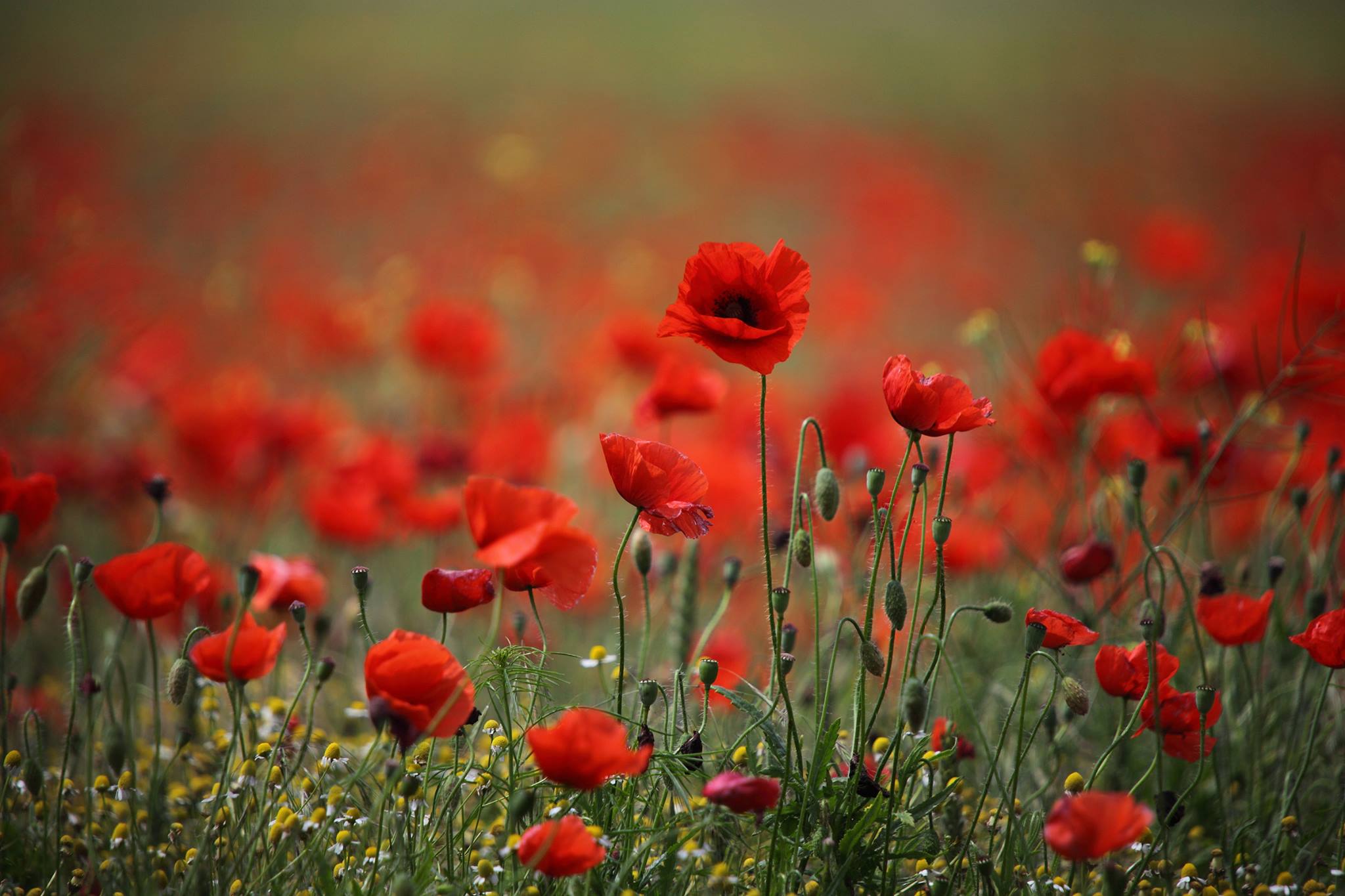
Cycling UK Louth's Remembrance Sunday Ride 8th November 2026

Cycling UK Louth’s Remembrance Sunday Ride 8th November 2026.
With Wold Newton Village Hall open, time first to pay our annual respects at Fotherby's Remembrance Sunday Service.
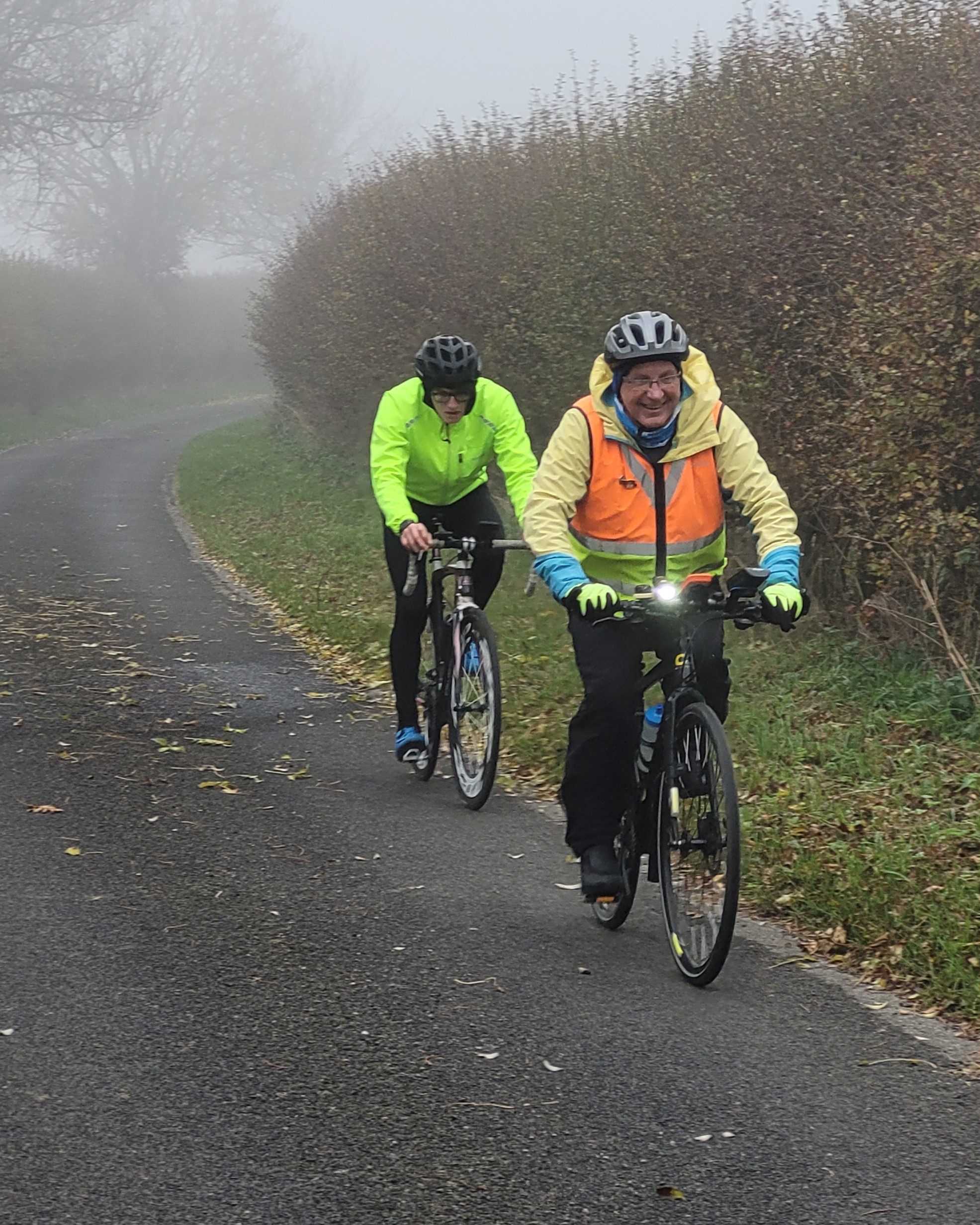
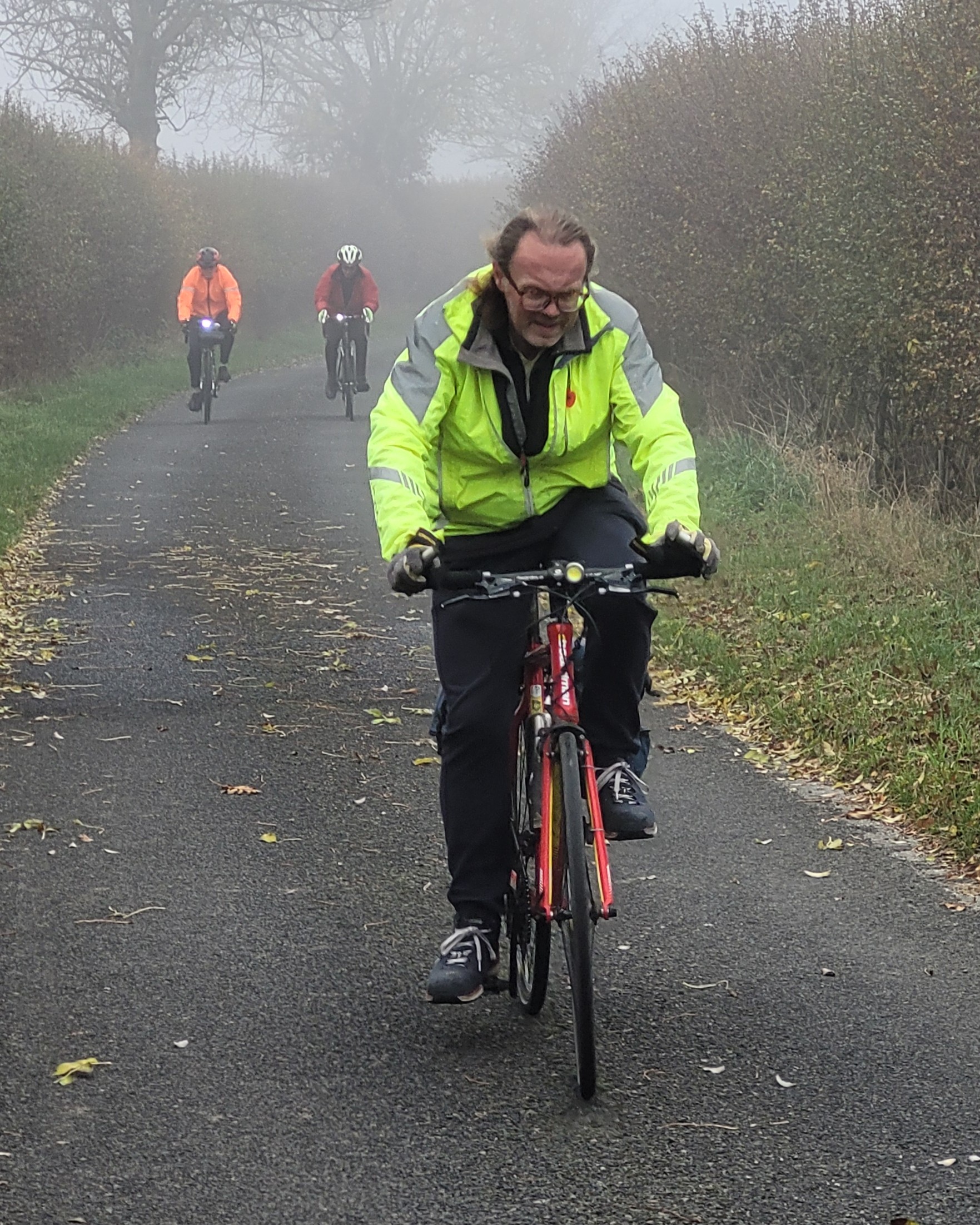
The day had dawned cold and foggy with a steady slight drizzle making for a dank start. Very ‘November’. Good however to have Mike Housley who’d come across from Lincoln, John Rickett, Rob Cook, Ty Harness and Harvey Wright join Tim Newbery at Louth’s Leisure Centre for a 10.10 am departure. A temperature of 7 Degrees Celsius.
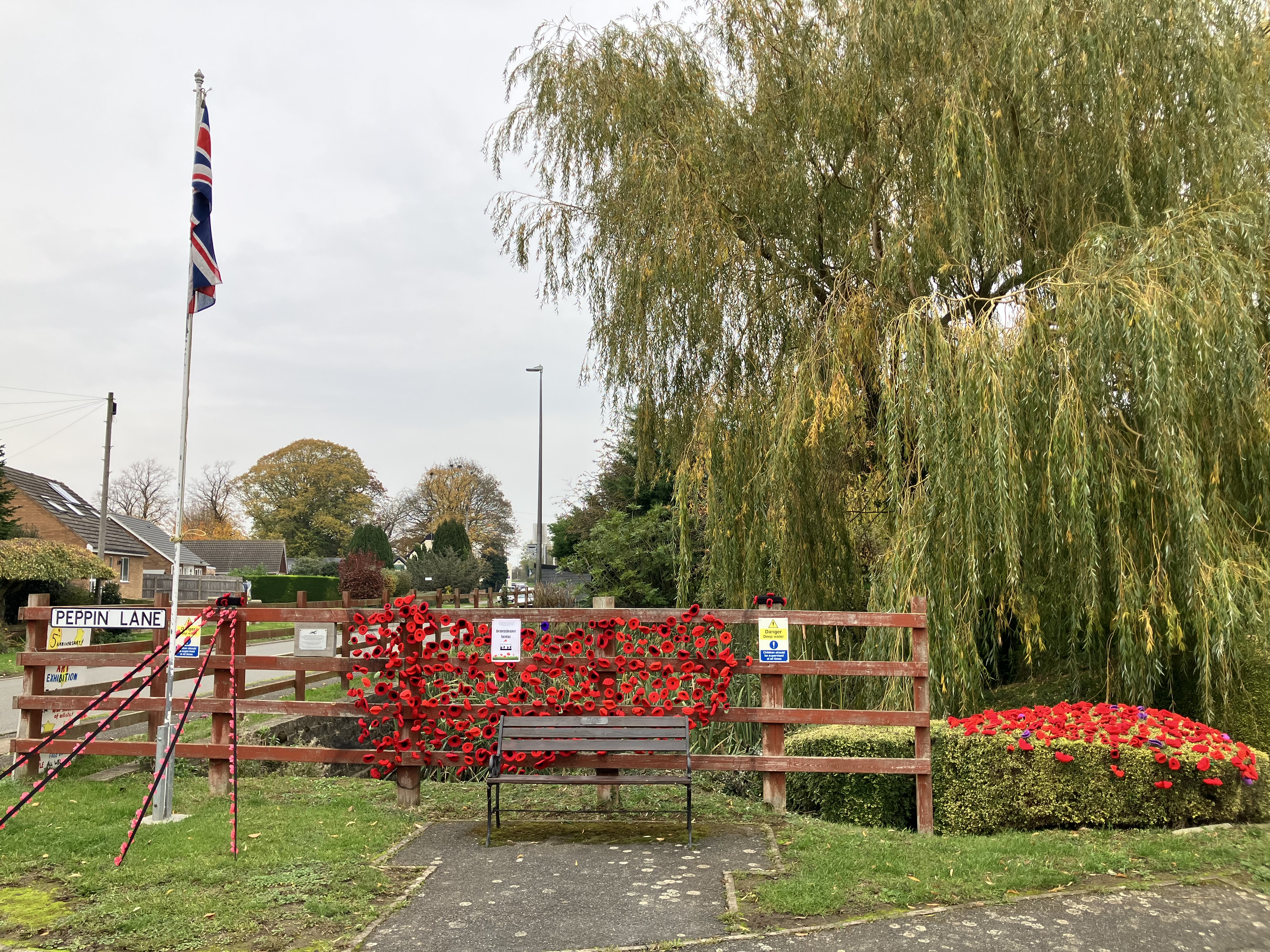
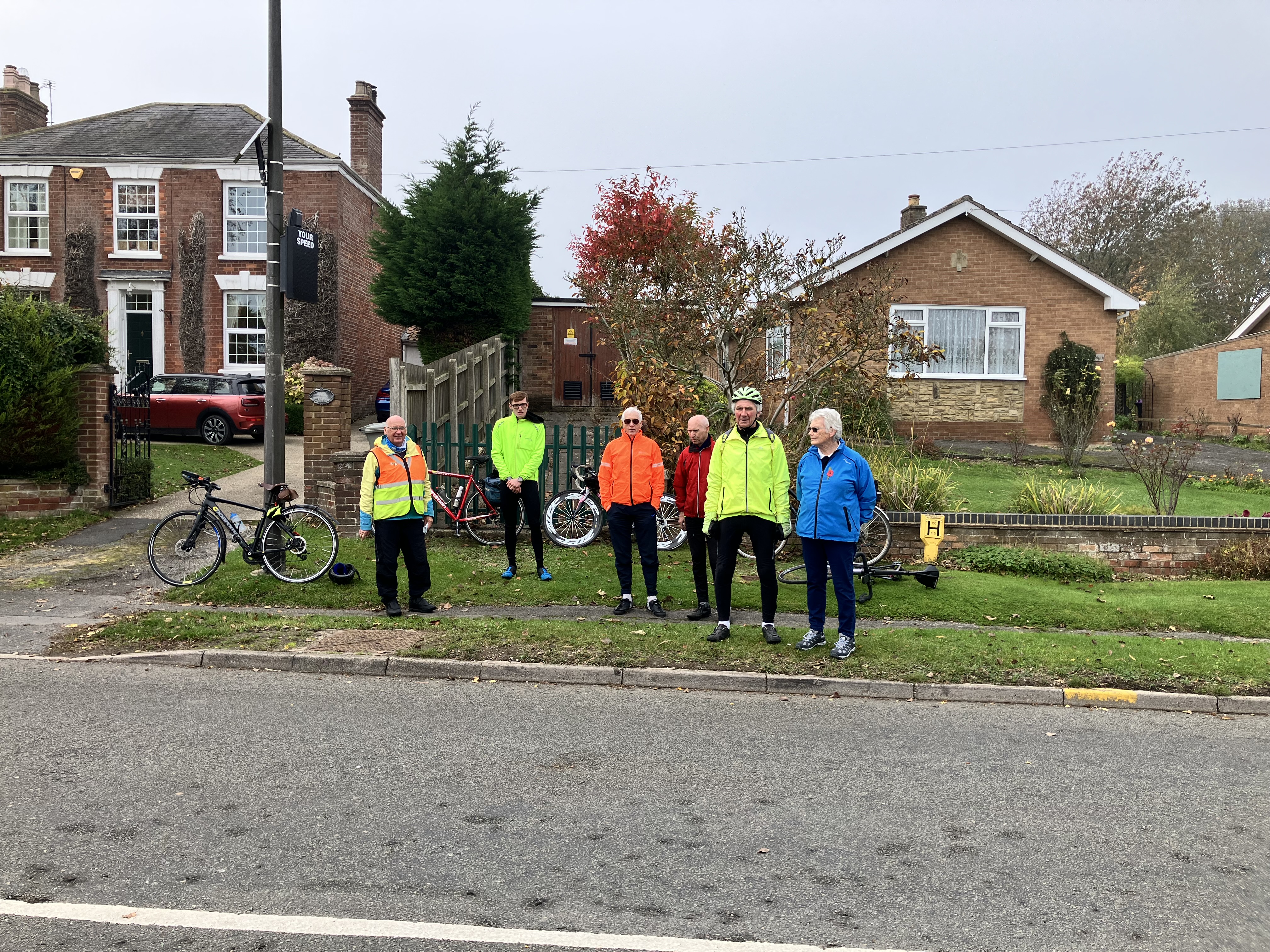
A steady ride along the lanes through Brackenborough and Little Grimsby, arriving at the memorial in Fotherby about 10 minutes to 11 am. Within a few minutes Jen Rickett had also joined us. Many of the villagers were in attendance and with the chimes of Big Ben signalling 11 am, all was quiet. Even the owner’s dogs were impeccably behaved for the two-minute silence. Following, there was a poignant reading of Laurence Binyon’s The Ode Of Remembrance, ‘They Shall Not Grow Old As We That Are Left Grow Old’.
Fotherby, known as Fodrebi at the time of the Domesday Book, like many places in the east of Lincolnshire derives its name from the Old Norse brought over by the Danes in the 9th Century; family name “Fotr” and “by” farmstead.
We’d now continue through Utterby to North Ormsby (Nun Ormsby), the ruins of the Gilbertine priory of St. Mary (home to nuns and canons and founded in 1148), hard to see, literally through the mists of time and weather. We anticipated rising into the low cloud before long.
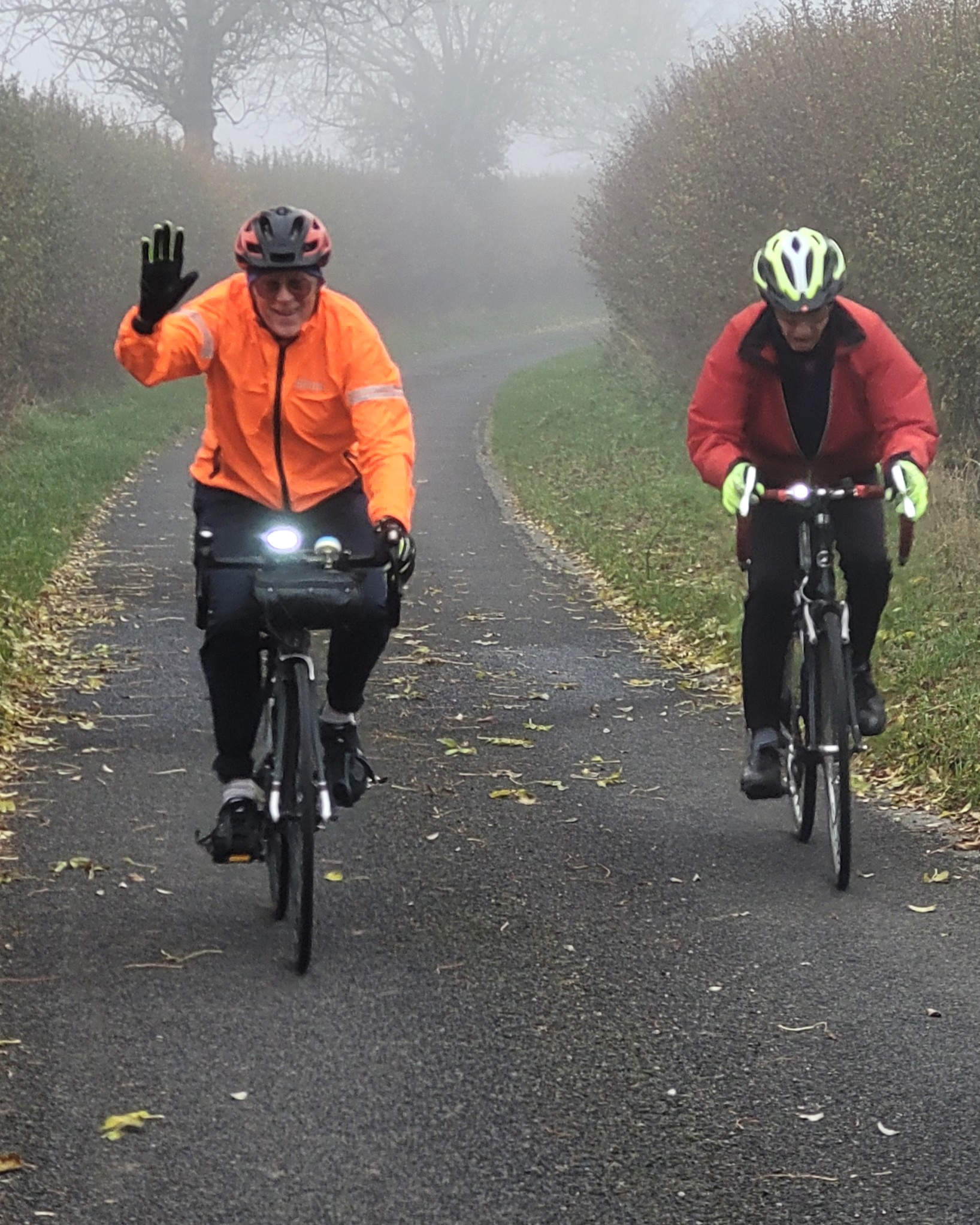
John was in fine form and charged up the hill to the Boswell Road at an altitude of about 125 m and as anticipated we were into a chill fog. Two cyclists overtook us whom Tim recognised to be Paul and Julie Kissane and greetings were exchanged.
Bowling along we made good time to the Village Hall, arriving at about 12 noon where as ever there were plentiful supplies of tea, coffee and cake. Lots of cake. For once there was room indoors and outdoors having no doubt missed the morning rush. Afternoons it would appear are the best time to visit.
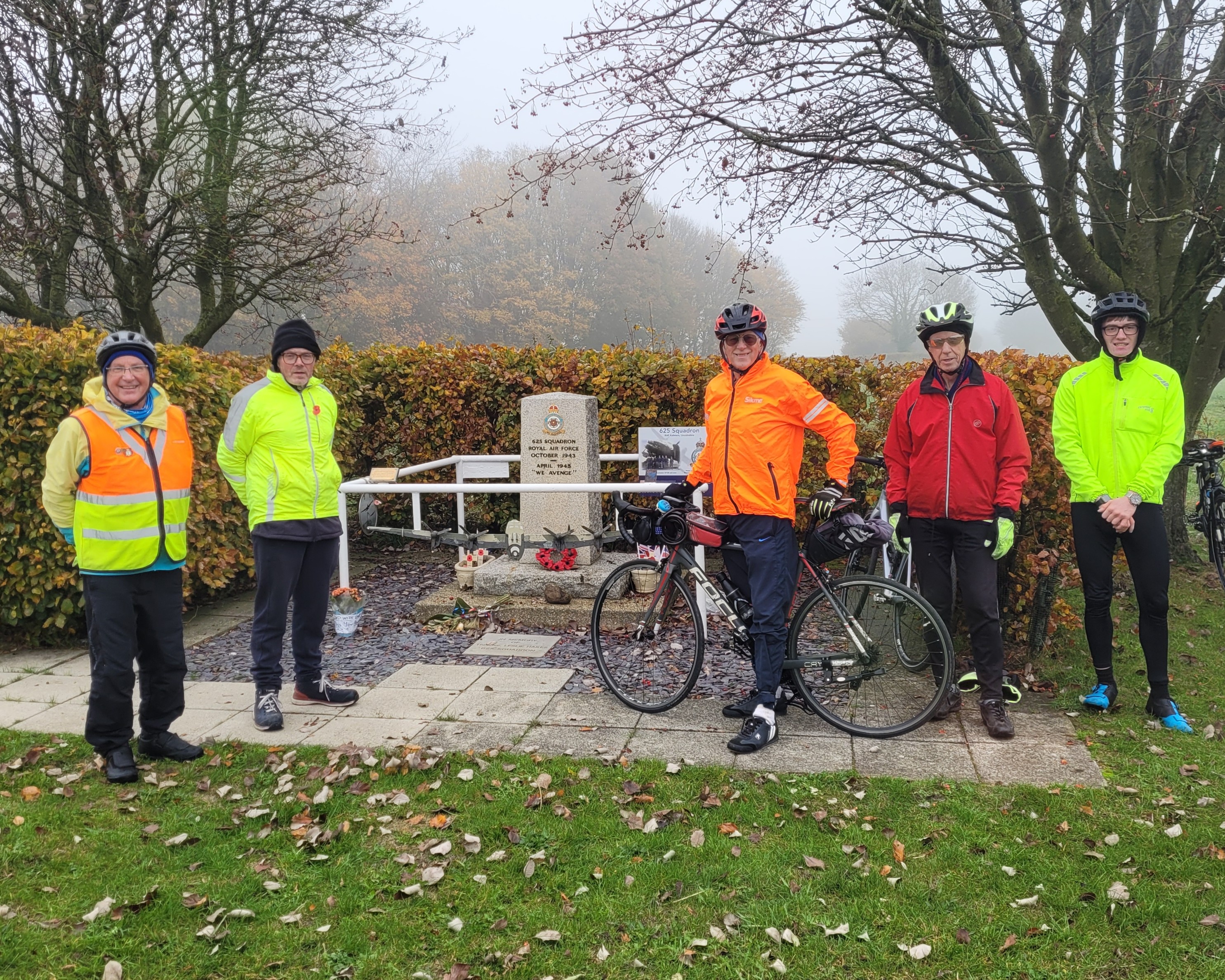
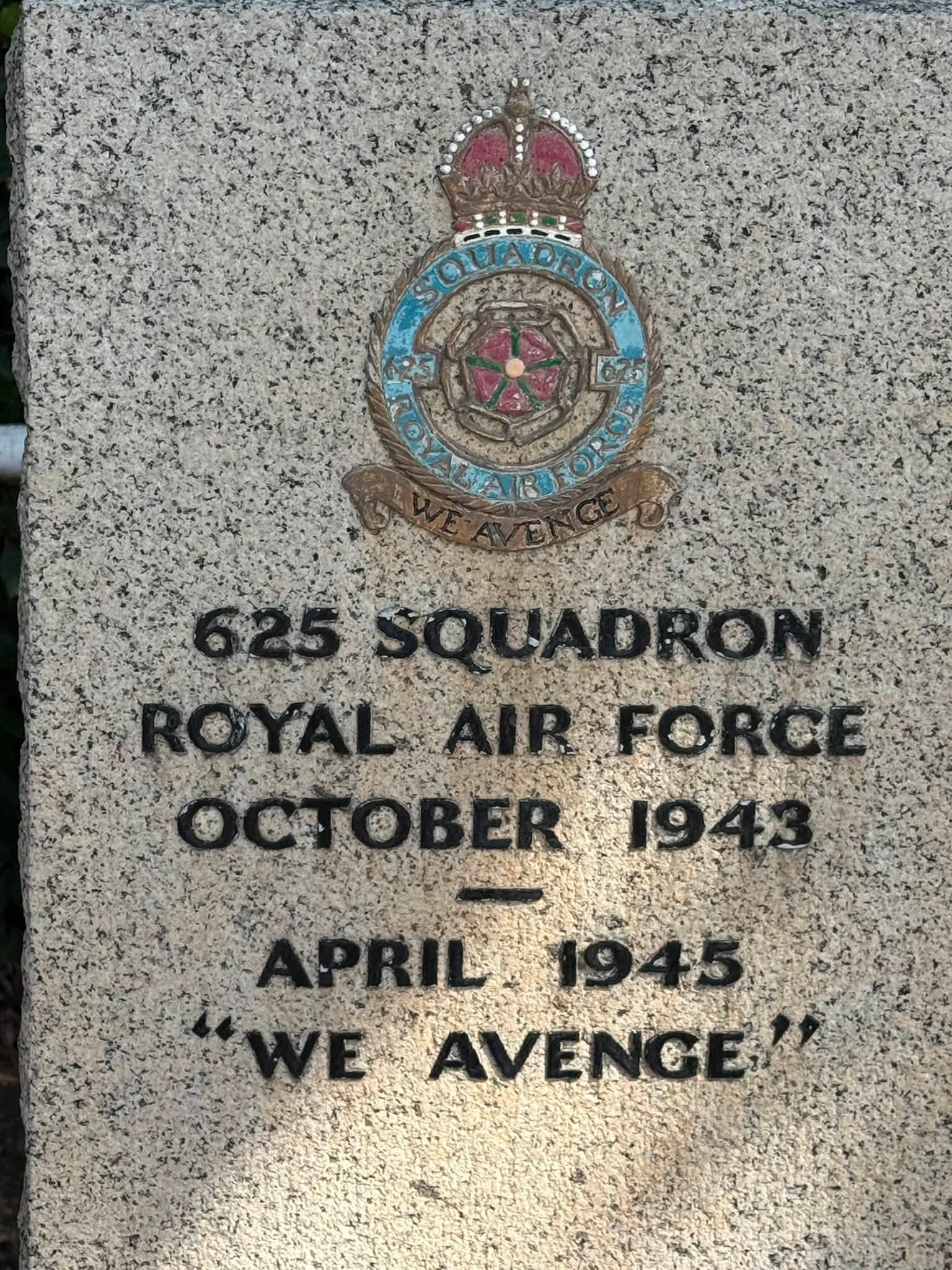
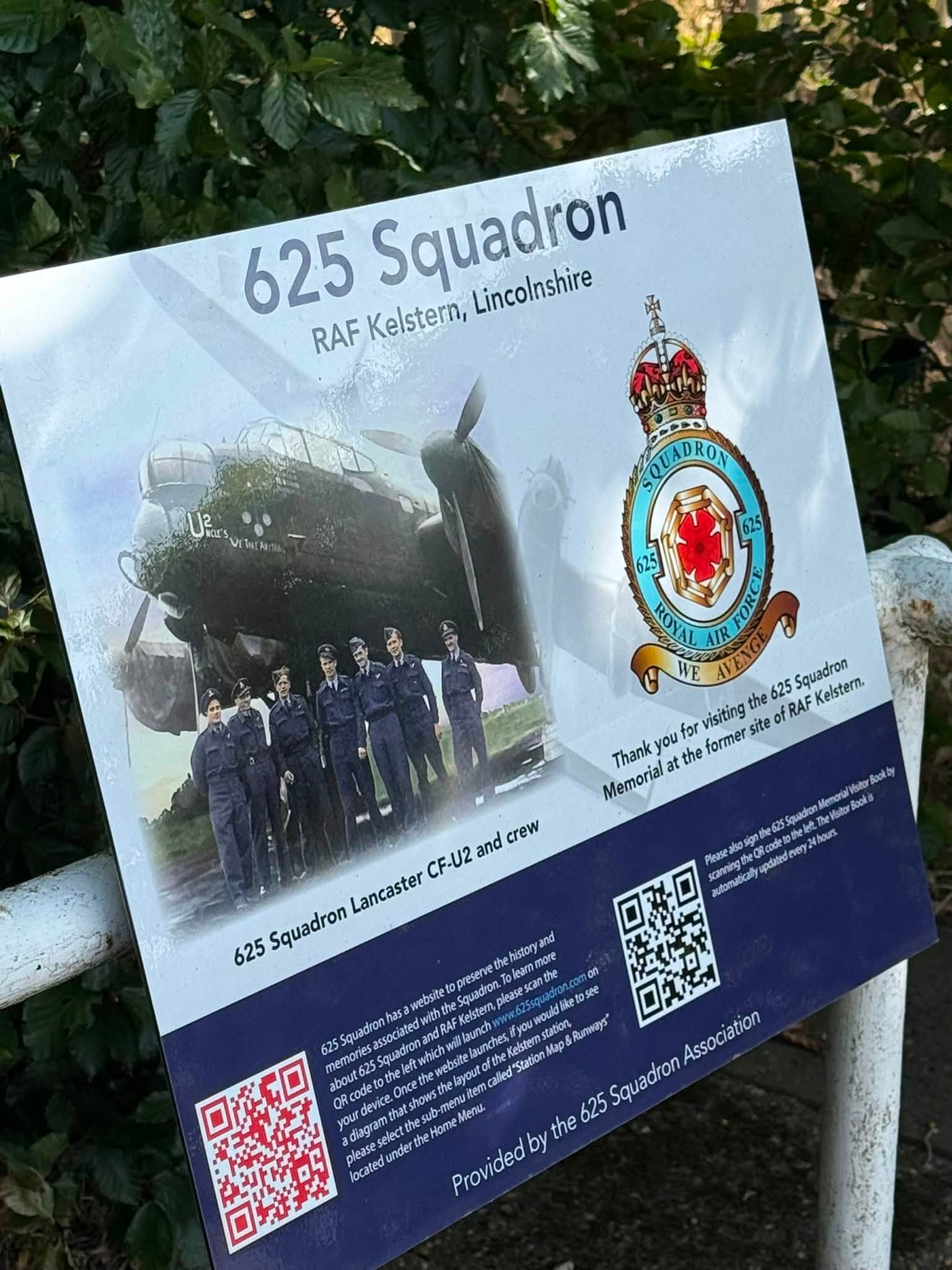
Our next leg of the ride would take us to Click’em Wood and then along to Beech Plantation and the former RAF Kelstern, today’s highest point at about 135 m. Here the memorial pays tribute to 625 Sqn. (Lancaster) and to all those who served and never returned (389 aircrew were lost). This was the first memorial to be installed for an RAF station. The squadron included significant aircrew and personnel from Commonwealth countries such as Australia (RAAF) and Canada (RCAF).
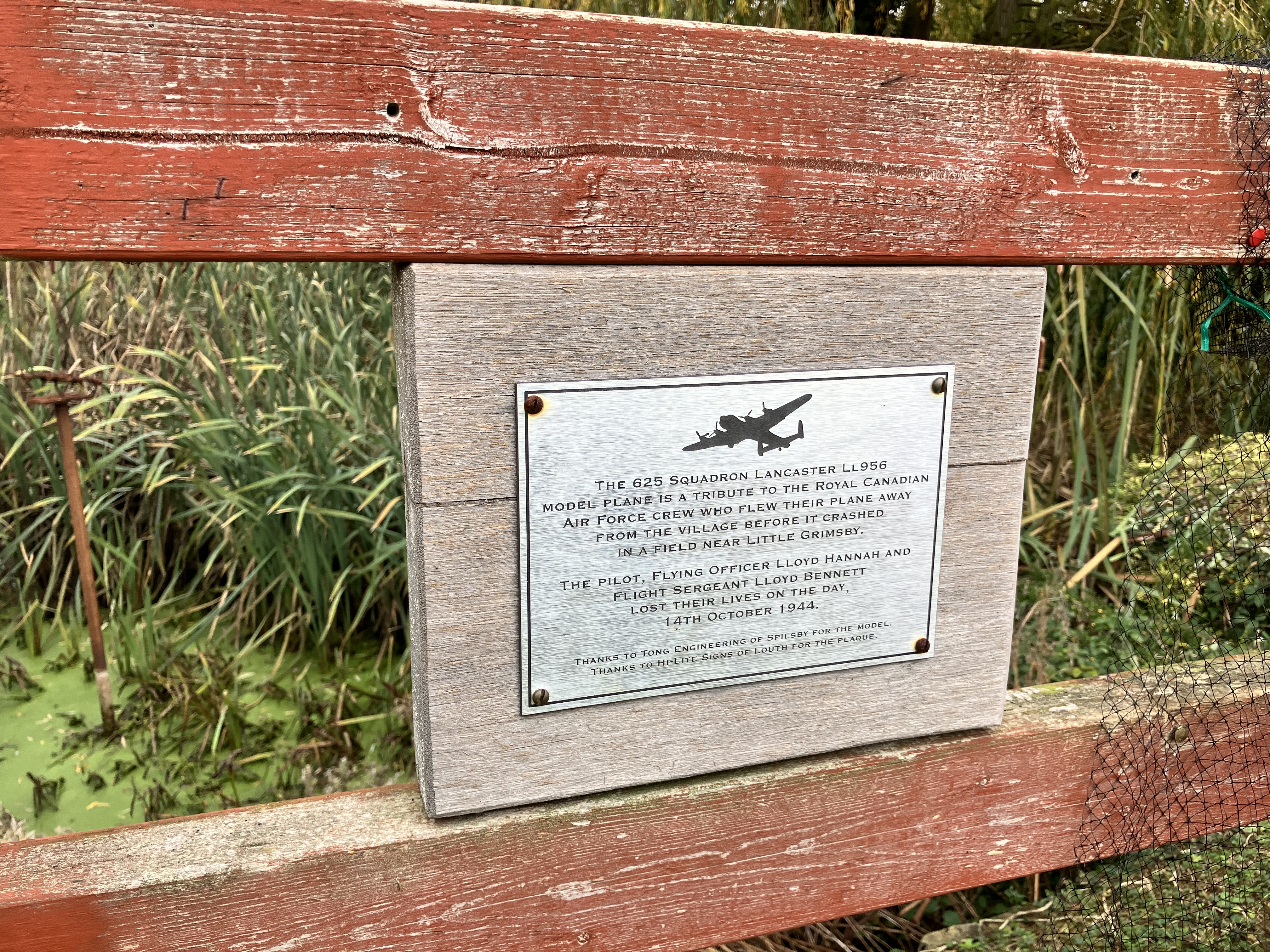
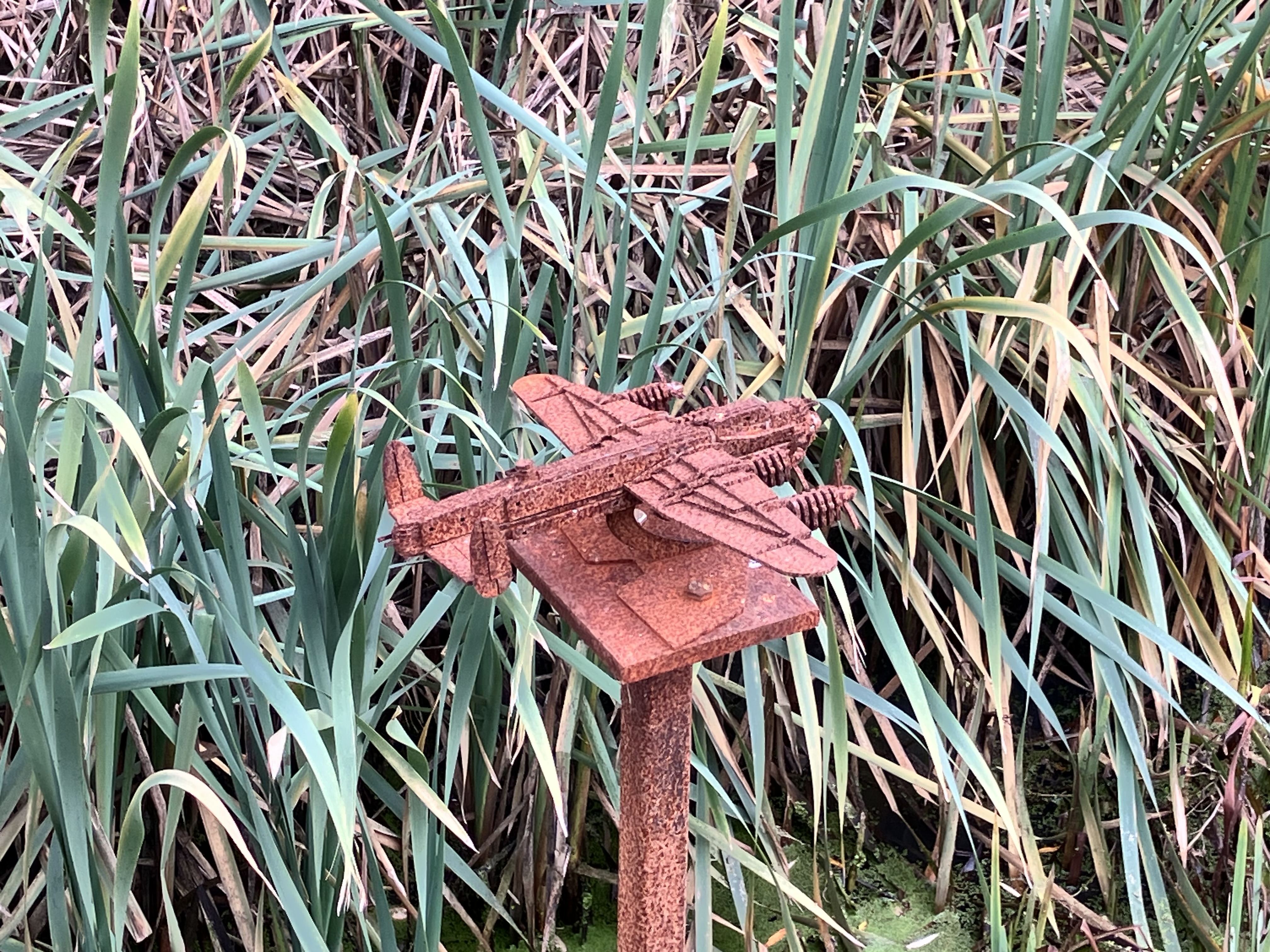
There’s a poignant plaque to the loss of Lancaster LL956 at Little Grimsby. At 6am on October 14, 1944 a crew from the Royal Canadian Air Force, took off from RAF Kelstern for a mission to Duisberg. Immediately, 'Q-Queenie', as it was known, became a stricken plane as an engine caught fire, quickly spreading to the wing. Canadian pilot, Flying Officer Kenneth Wilbert Hannah (a 26-year-old from Moose Jaw), stayed at the controls of his Lancaster allowing six of the eight crew members to successfully parachute to safety. F/O Hannah died when the plane crashed and Flight Sergeant Lloyd Douglas Bennett died when his parachute failed to open. Rest in Peace.
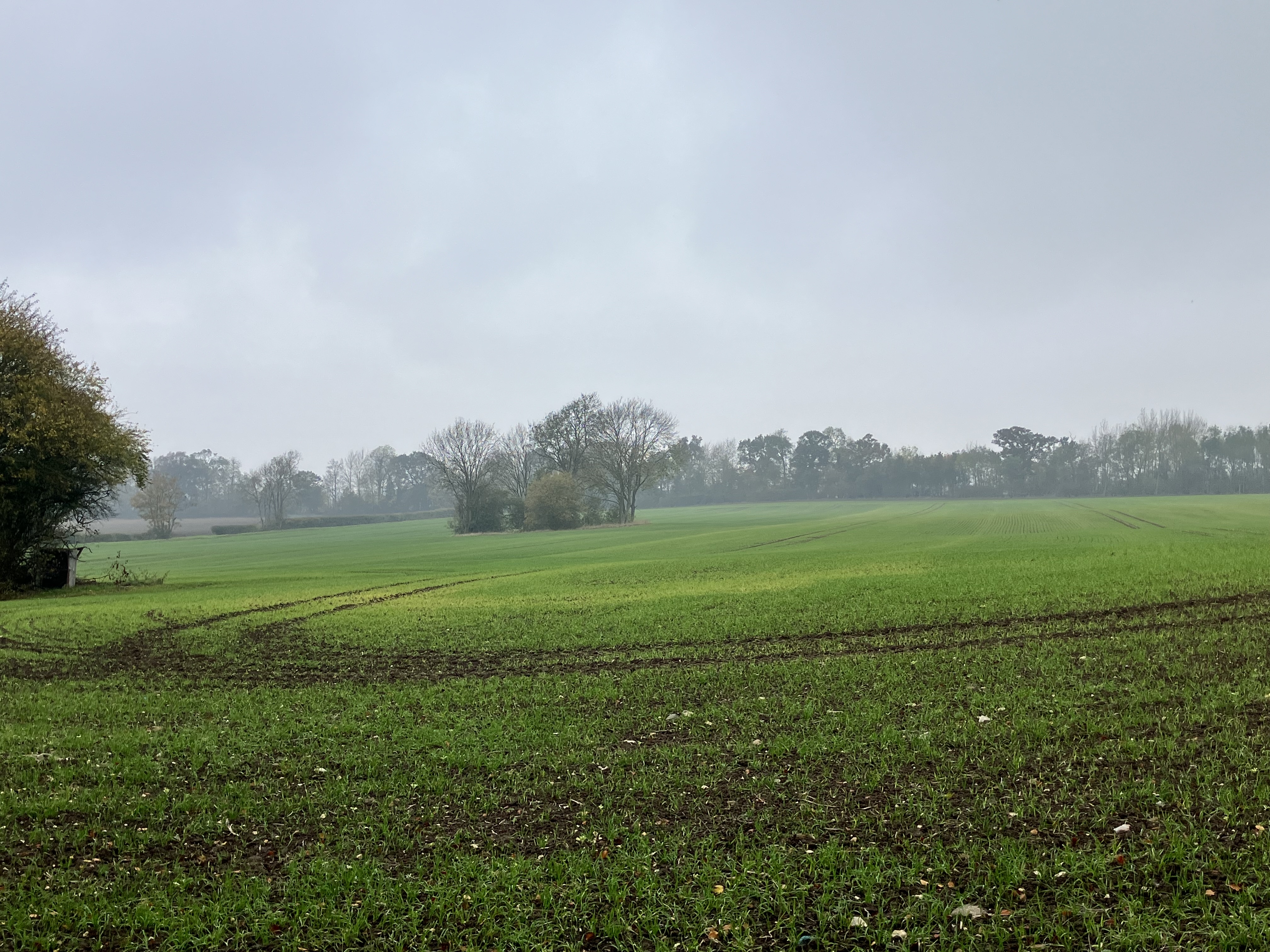
On return to Louth we stopped near the crash site at Little Grimsby to pay our respects, the impact site of which left a crater that filled with water, now marked by small group of trees. Thanks to John for directing us.
The last leg to Louth was uneventful, arriving back at the Leisure Centre soon after 2 pm where final drinks were enjoyed over a pleasant chat. Temperatures now up to 9 Celsius (having been just 6 at Wold Newton).
32 miles covered for the Louth Contingent. Thanks to all and especially to Mike for joining us on our traditional Remembrance Sunday Ride.
Tim’s ‘Relive’ video: https://www.relive.com/view/v4OGzzmrNmv
For The Fallen: The iconic poem ‘For The Fallen’ by Robert Laurence Binyon (1869-1943) was published in The Times newspaper on 21st September 1914, just seven weeks after the beginning of the war. In its gravitas, its tenderness, and depth of grief it was alone in war reports or other poems appearing at the time. The four lines of the fourth stanza are perhaps best known and have been claimed as a tribute to all of those who have lost their lives in conflict:
They shall grow not old, as we that are left grow old:
Age shall not weary them, nor the years condemn.
At the going down of the sun and in the morning
We will remember them.
Gallery