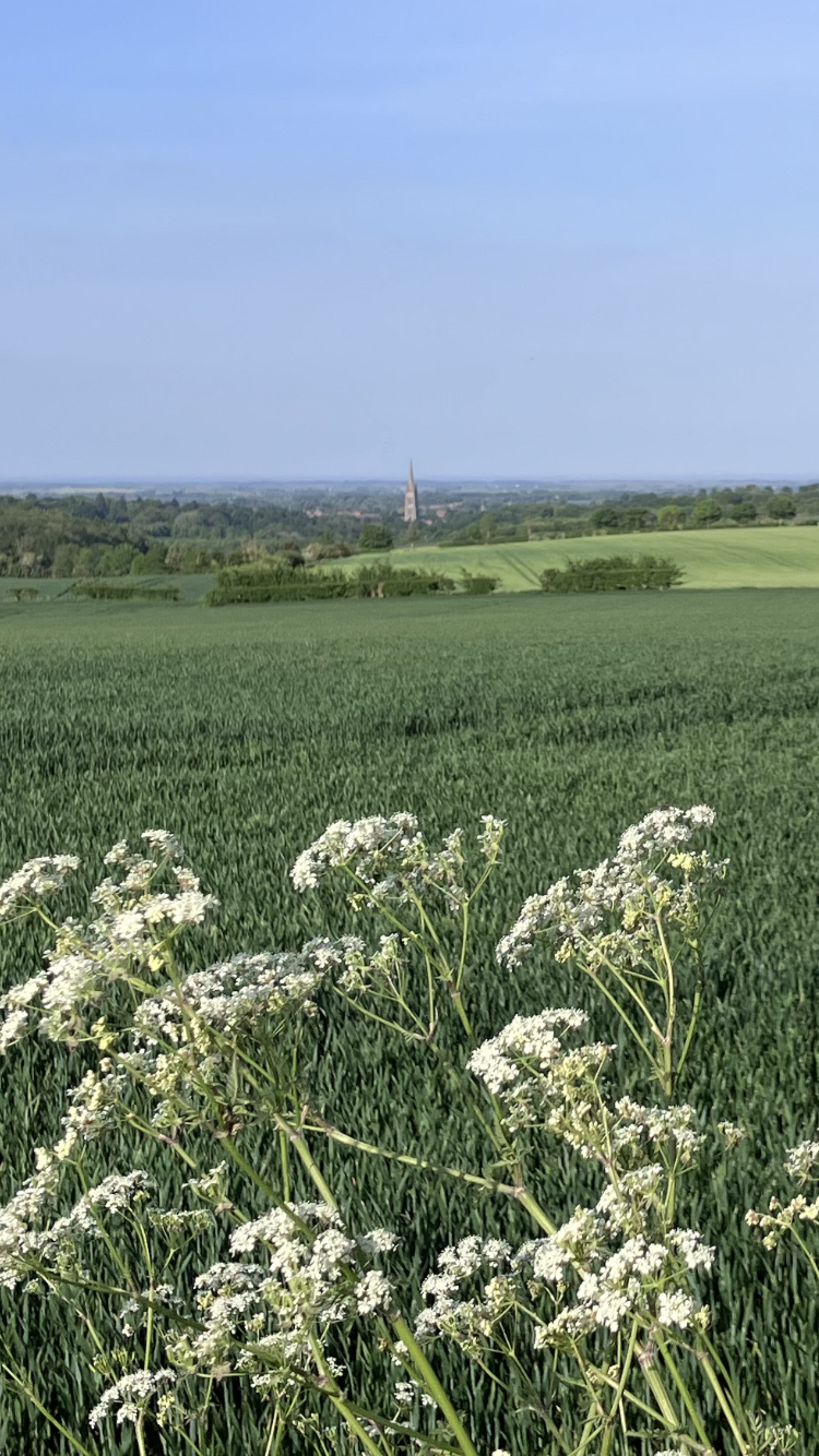
A View of the Wolds 2026

Cycling UK Louth - Lincolnshire Wolds Outdoor Festival 2026.
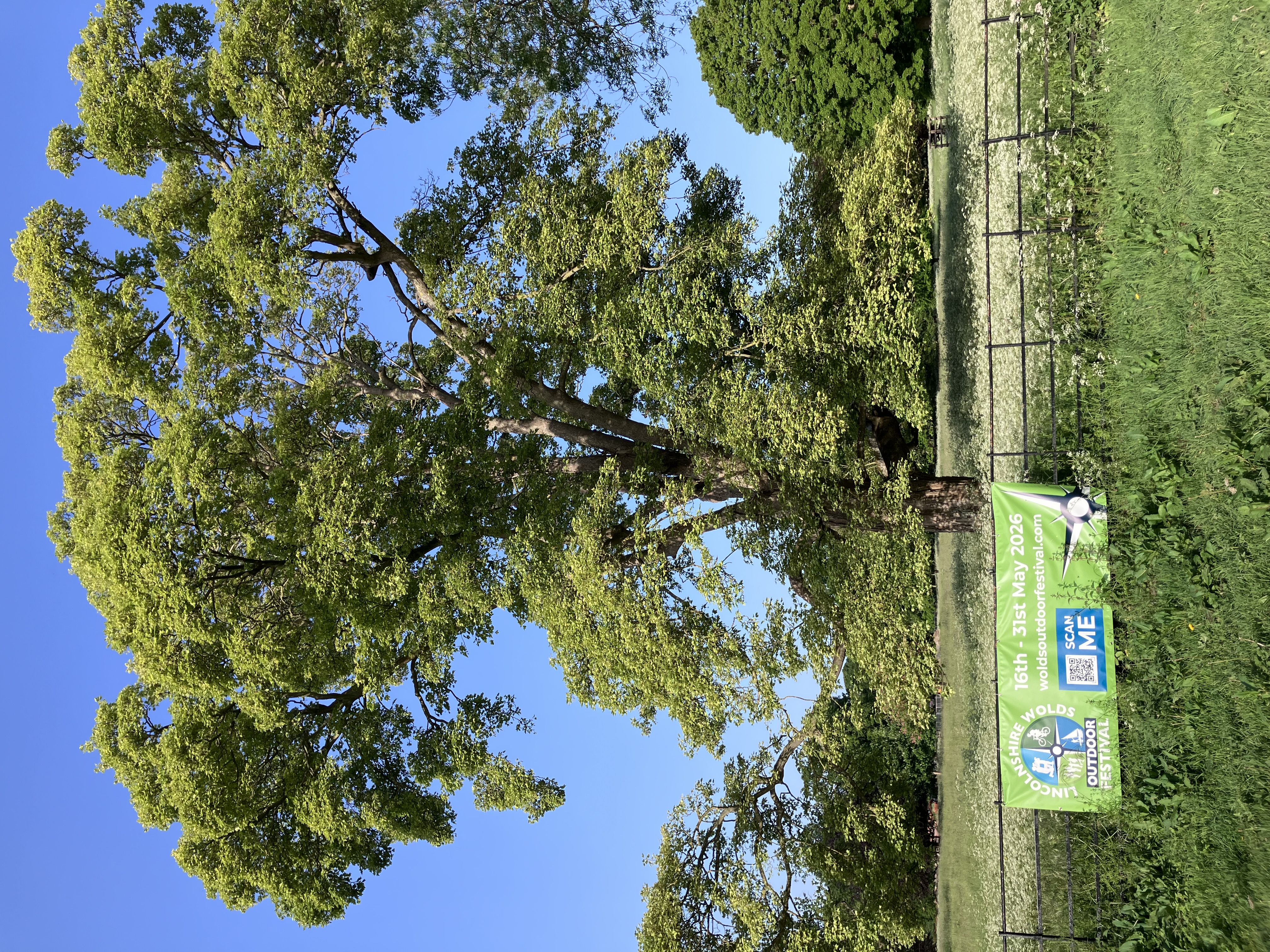
Cycling UK Louth was once again approached to be an activity provider for the Lincolnshire Wolds Outdoor Festival and so it was that a bike ride was organised aiming to showcase the delights of this Area of Outstanding Natural Beauty (AONB).
Today’s Ride Leader’s Tim Newbery (Cycling UK Louth) and Ty Harness (Cycling UK Louth) were delighted to be joined by Harvey Wright, Andy Townhill (Cycling UK Lincoln), Rob Dickens (Cycling UK Lincoln) and Mel Sowerby, also from the Lincoln area. The weather forecast, considering this was a Bank Holiday weekend, indicated unusually fine conditions. Plenty of sunshine, light winds and a maximum temperature of a well above average 22 Degrees Celsius.
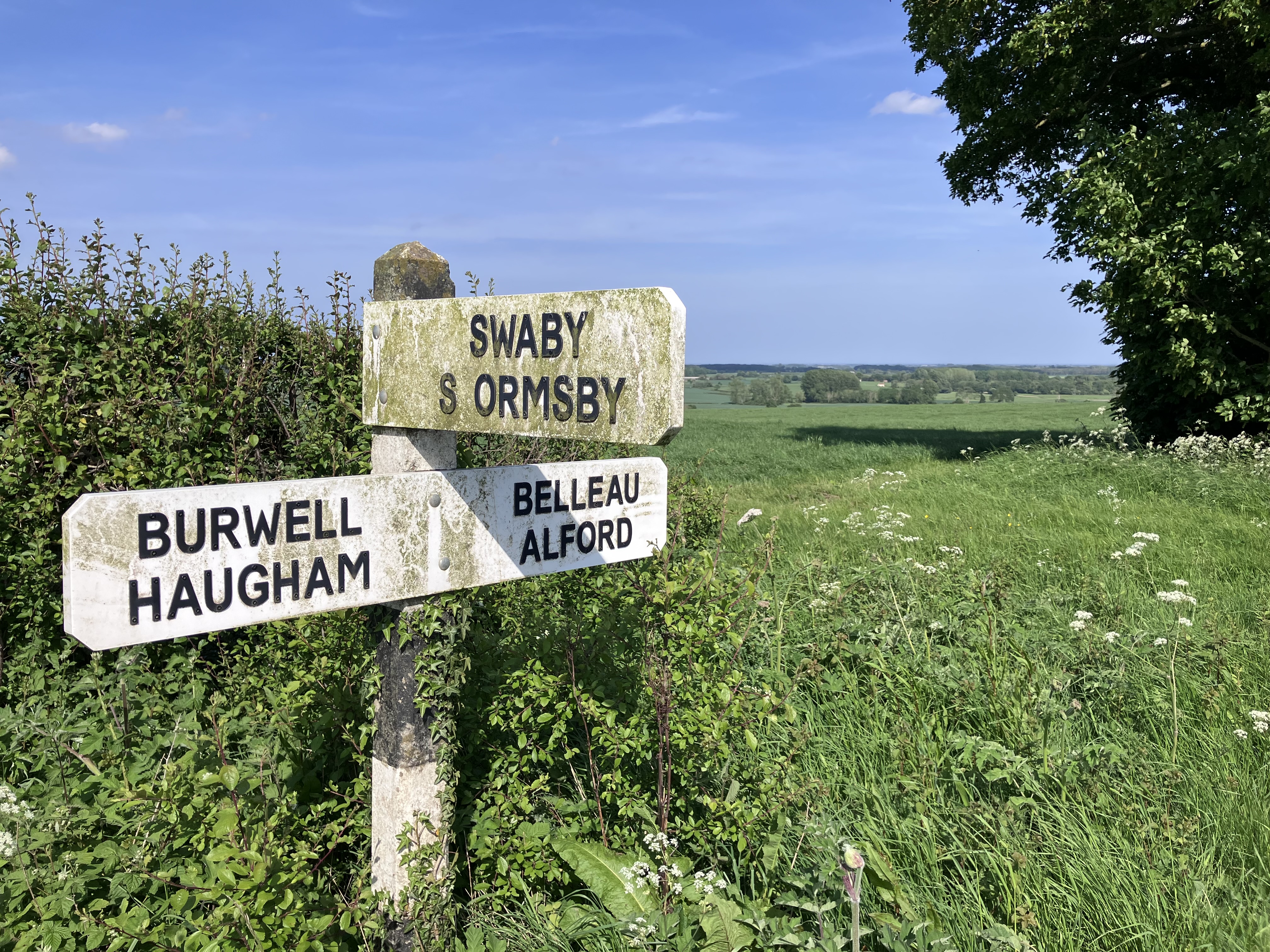
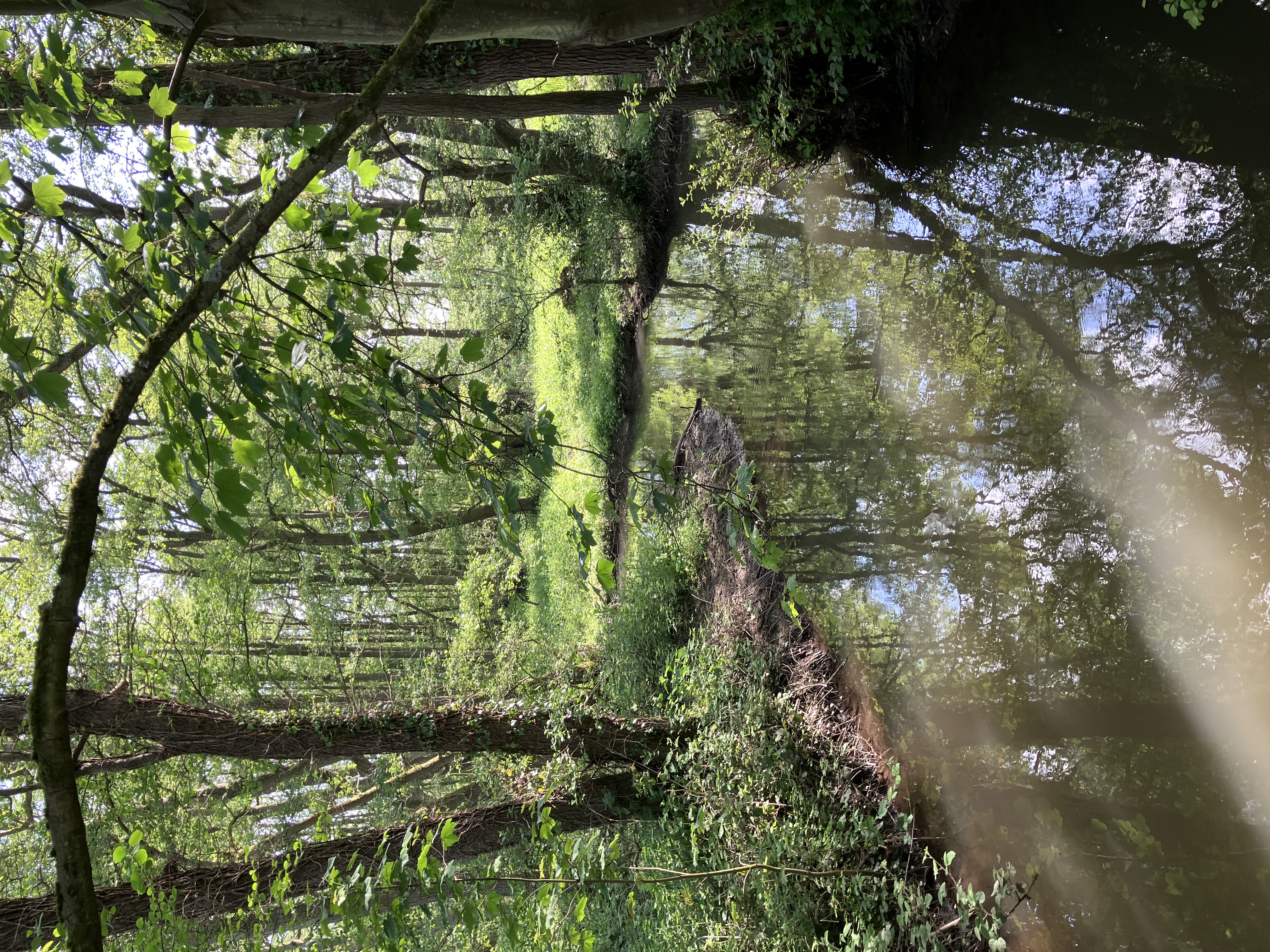
Leaving the Cattle Market at 10.00 am our route headed initially along the boundary of the Wolds through Muckton to Belleau Bridge and the delightful clear chalk waters of the Great Eau. We would discover that the source of this river, which runs to the coast at Saltfleet, lies along our route at Calceby Beck.
We would finally enter the Lincolnshire Wolds AONB at South Thoresby, passing by the former Vine Inn. There’s been an inn here since 1508.
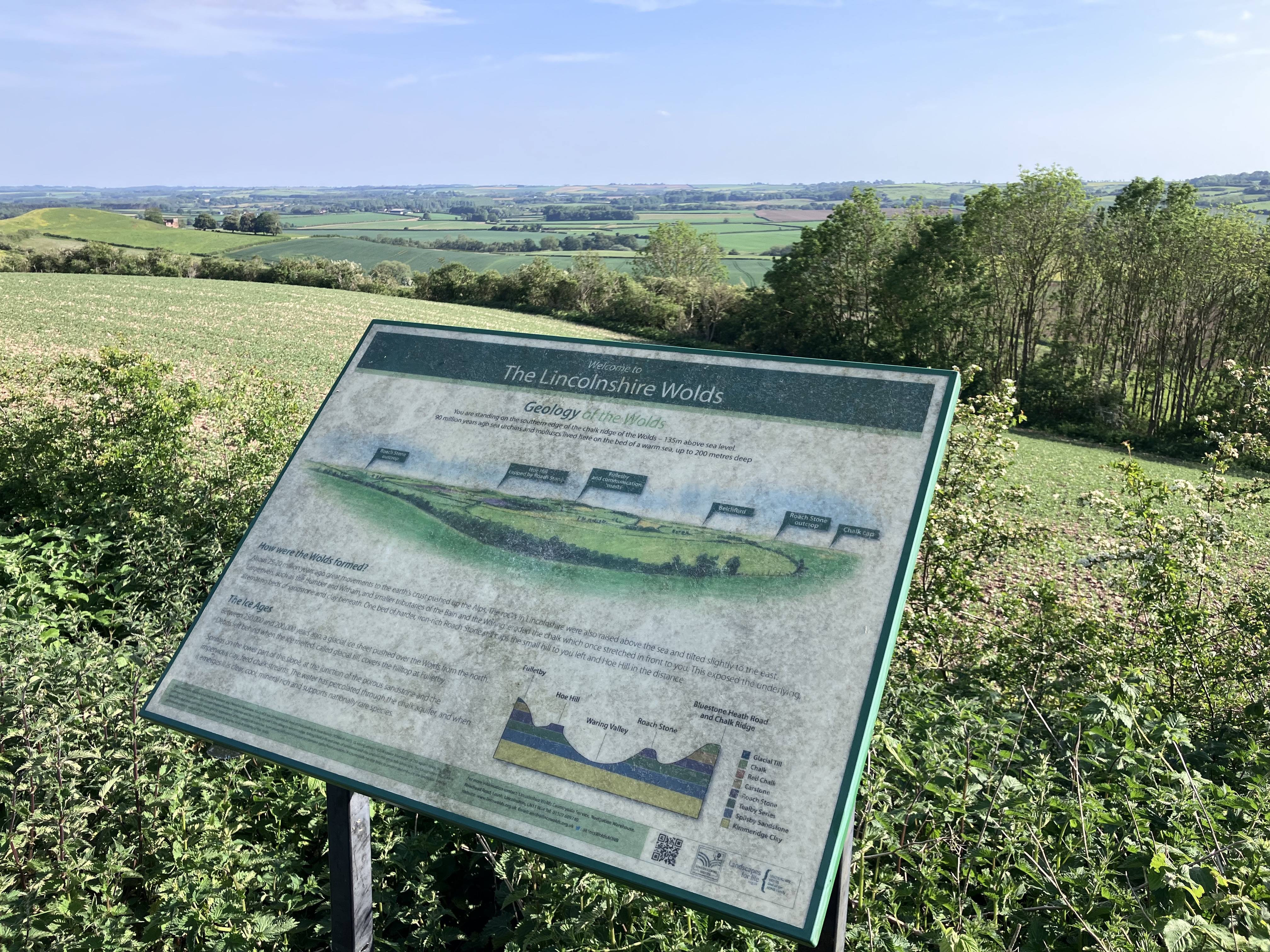
It’s interesting to think that the chalk ridge of the Wolds formed some 90 million years ago when this whole area was a warm sea. Uplifted and tilted under the influence of the Alps about 25-20 million years ago, a glacial ice sheet moved over the Wolds from the north some 250,000 years ago. This left behind thick glacial clays and tills as the ice retreated. Chalk water springs now occur at the junction of the porous chalk and sandstone and the impervious clay.
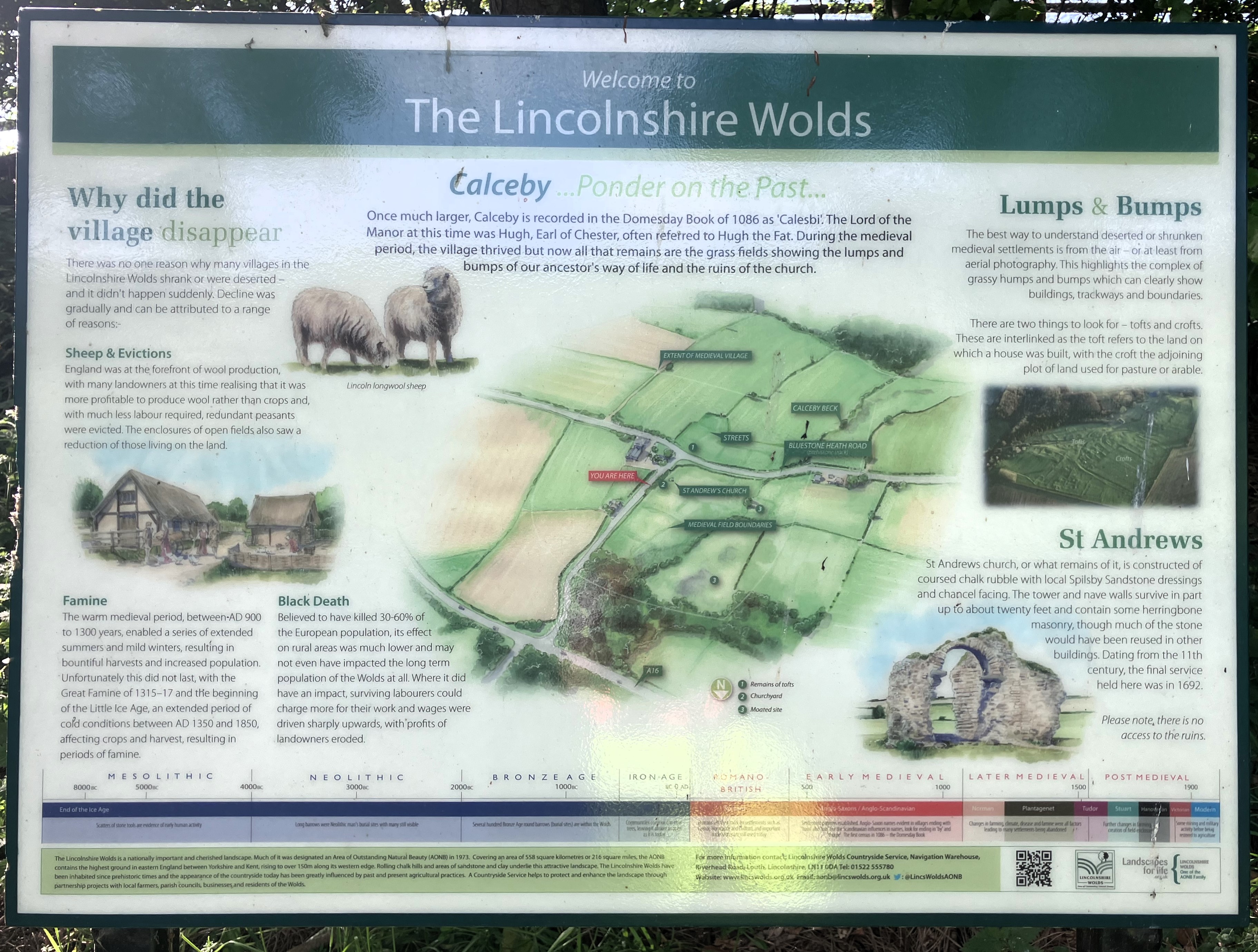
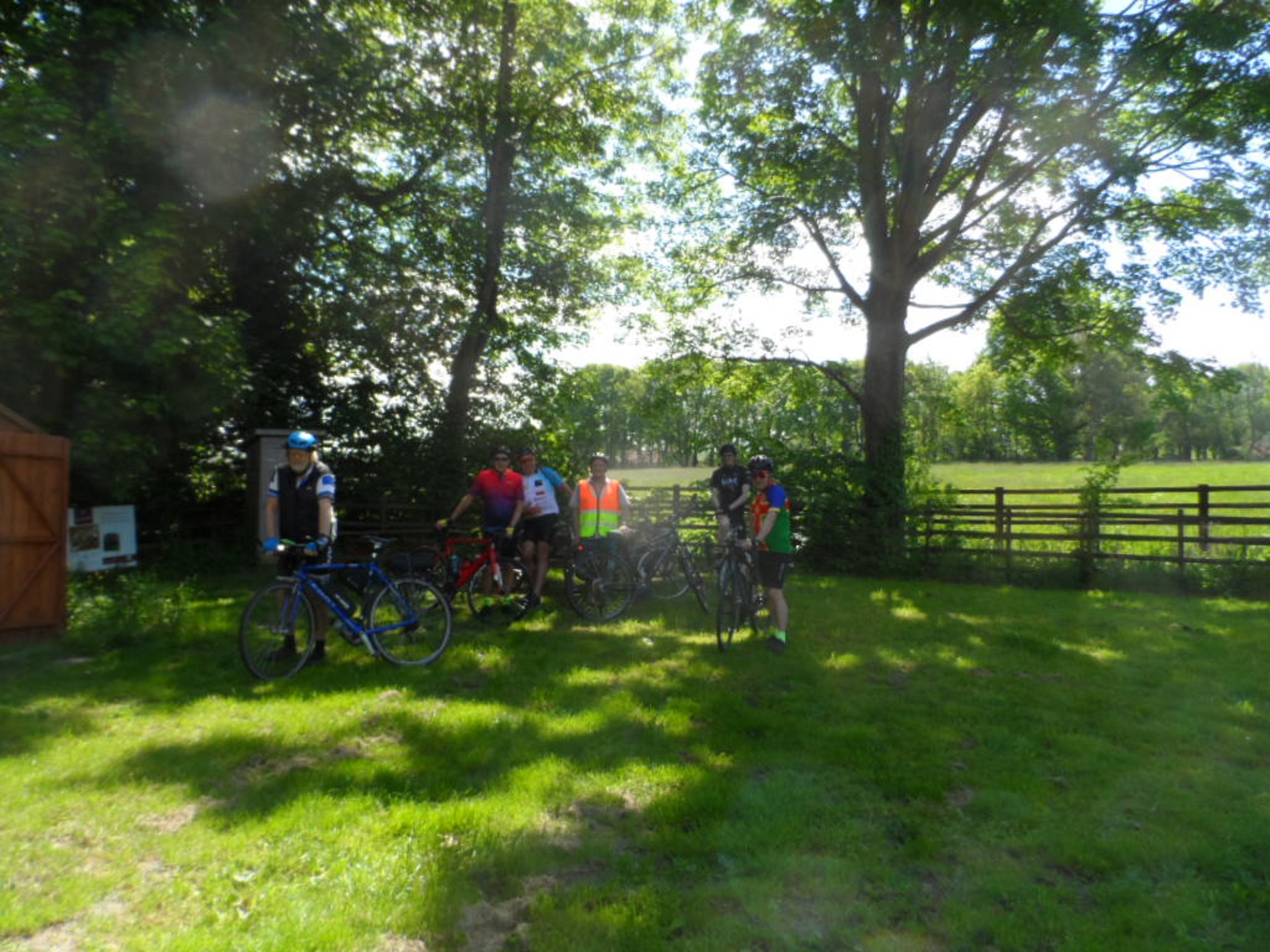
At Calceby (‘Calcebi’ Old Scandinavian: ‘ Kalfr’s village'), the interpretation board brings our attention to the remains of the 11th Century St Andrew’s Church. There used to be a thriving village here in medieval times but the great famine of 1315, the Black Death and the enclosures act and sheep farming saw a steady decline in population. Indeed, the last vicar was instituted at the church in 1724 before the building fell into disuse and was demolished in 1756.
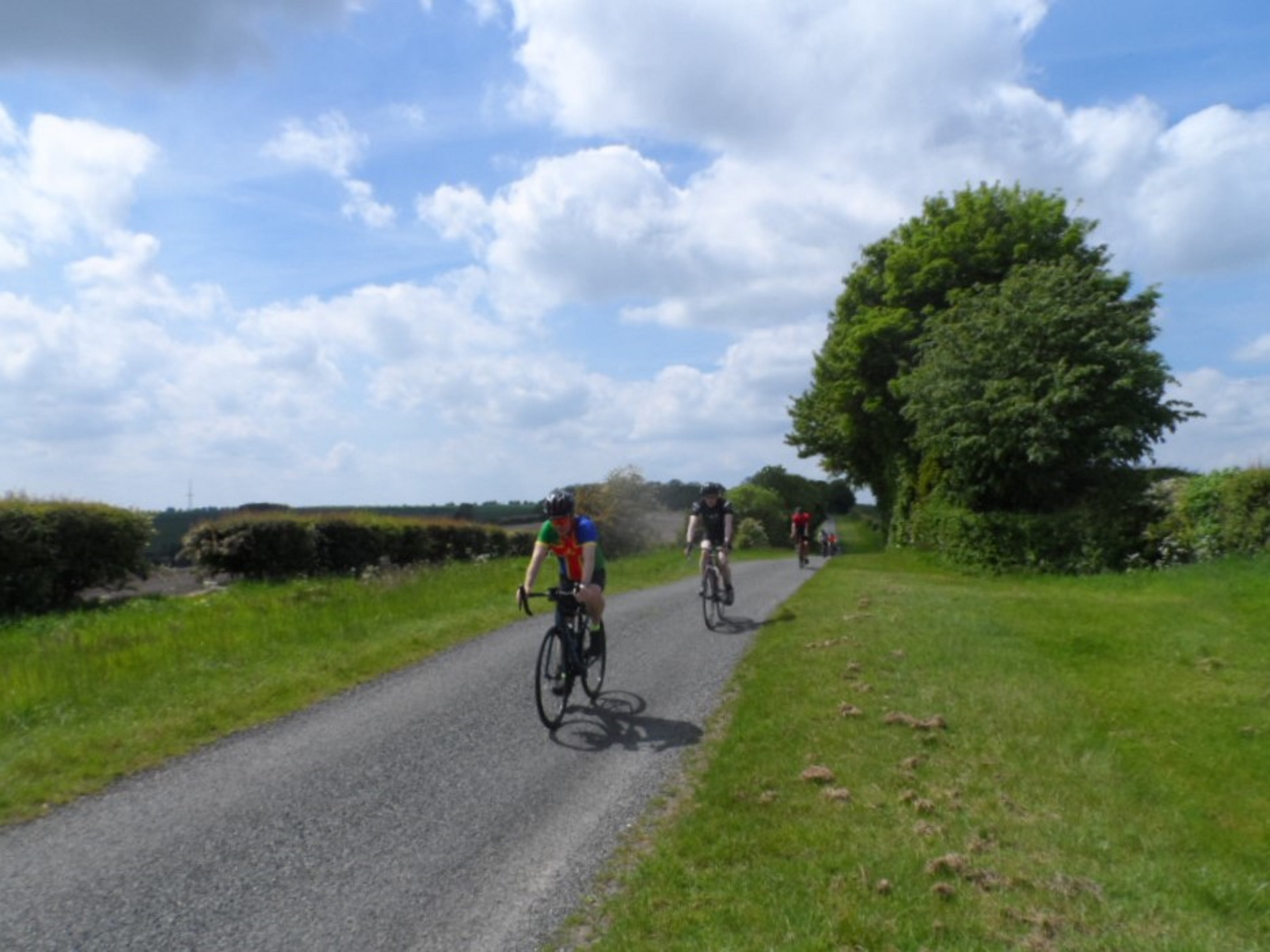
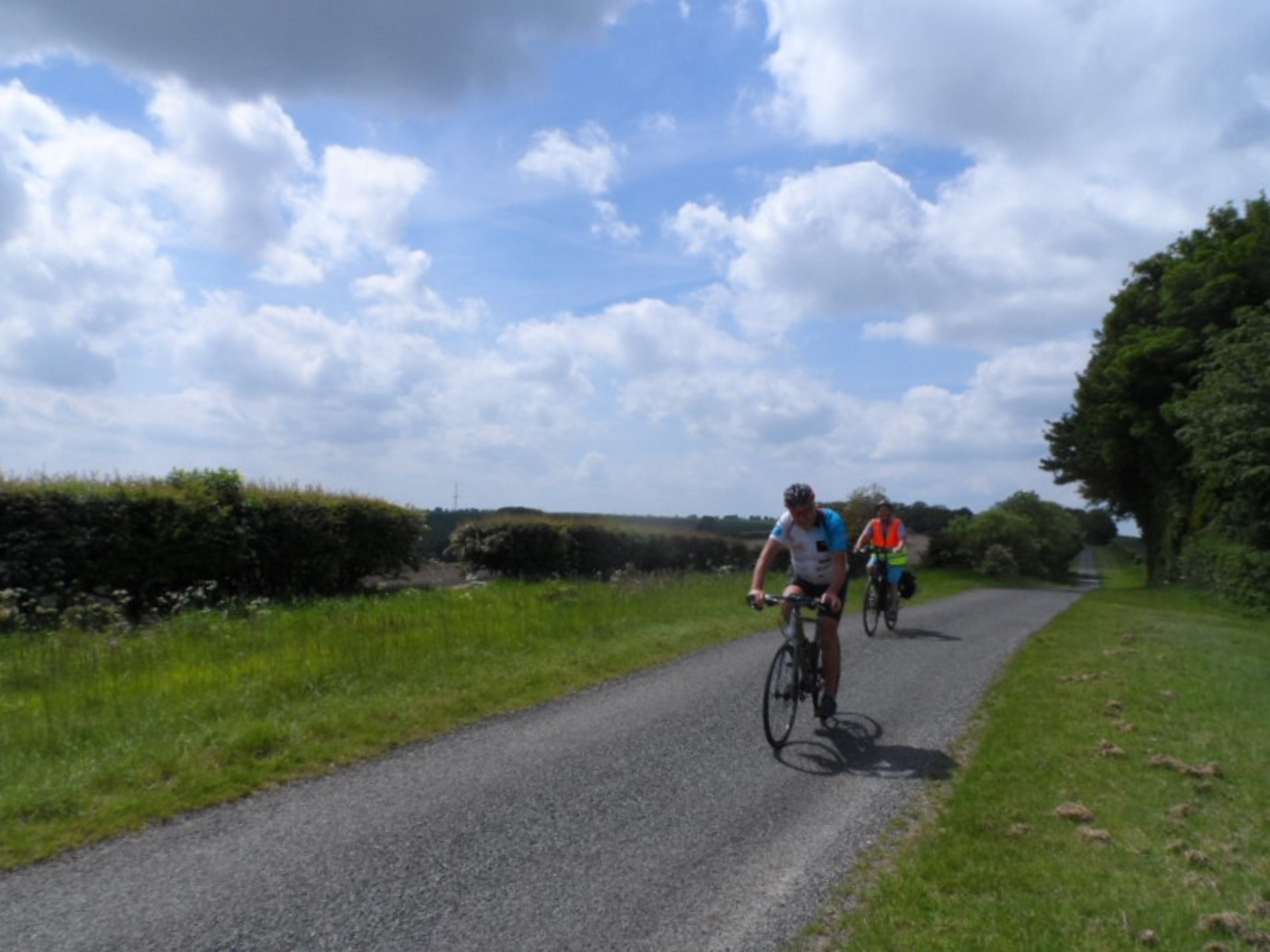
The weather was still behaving, allowing us to have a natter and find out a little about ourselves whilst admiring the views - remaining vigilant for loose gravel and potholes!
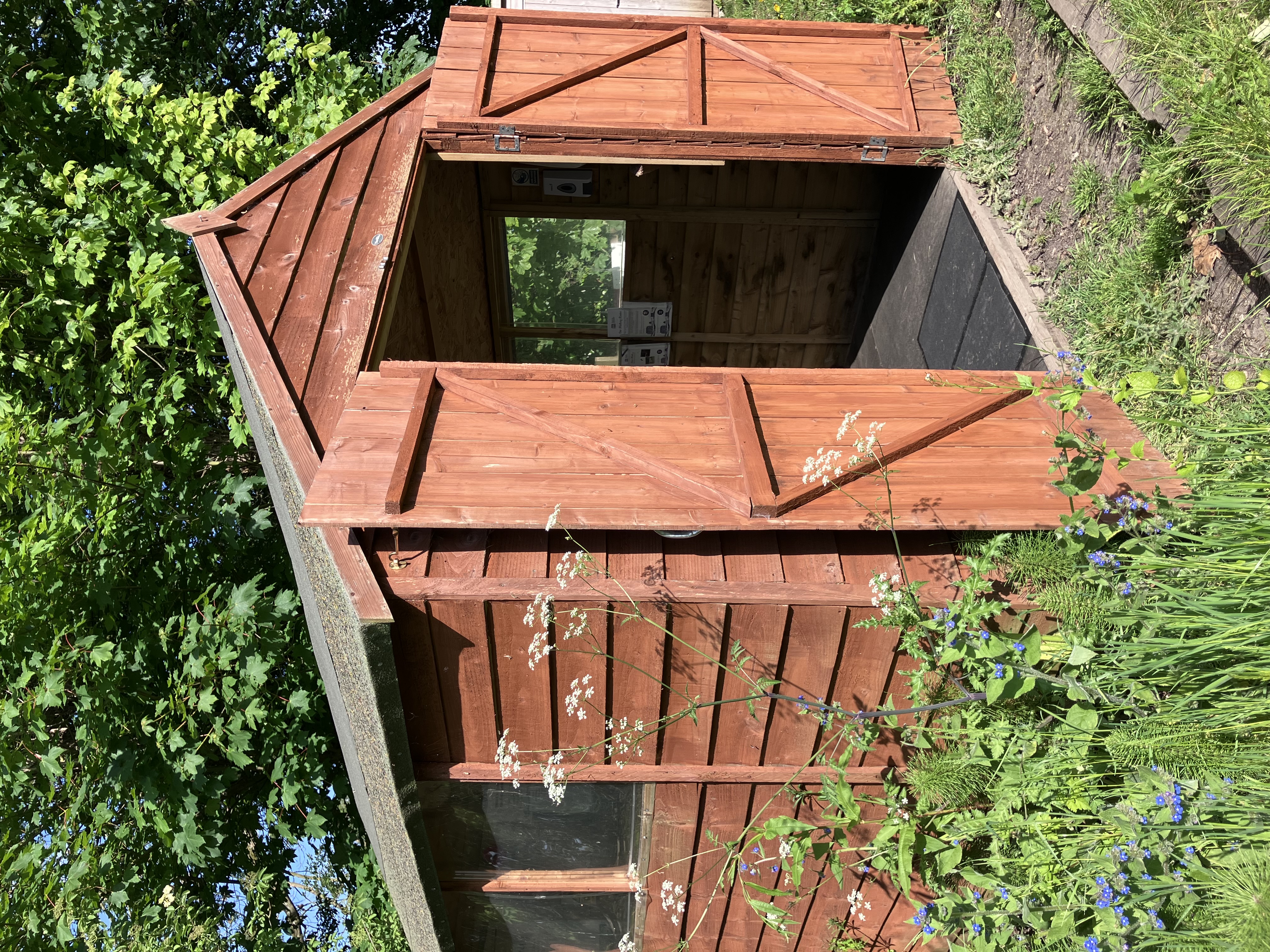
Passing Calceby Beck and the still visible lumps and bumps in the fields indicating the presence of a once prosperous village in Medieval times, it wouldn’t be too long before we arrived at the South Ormsby Walkers Hut for our refreshments.
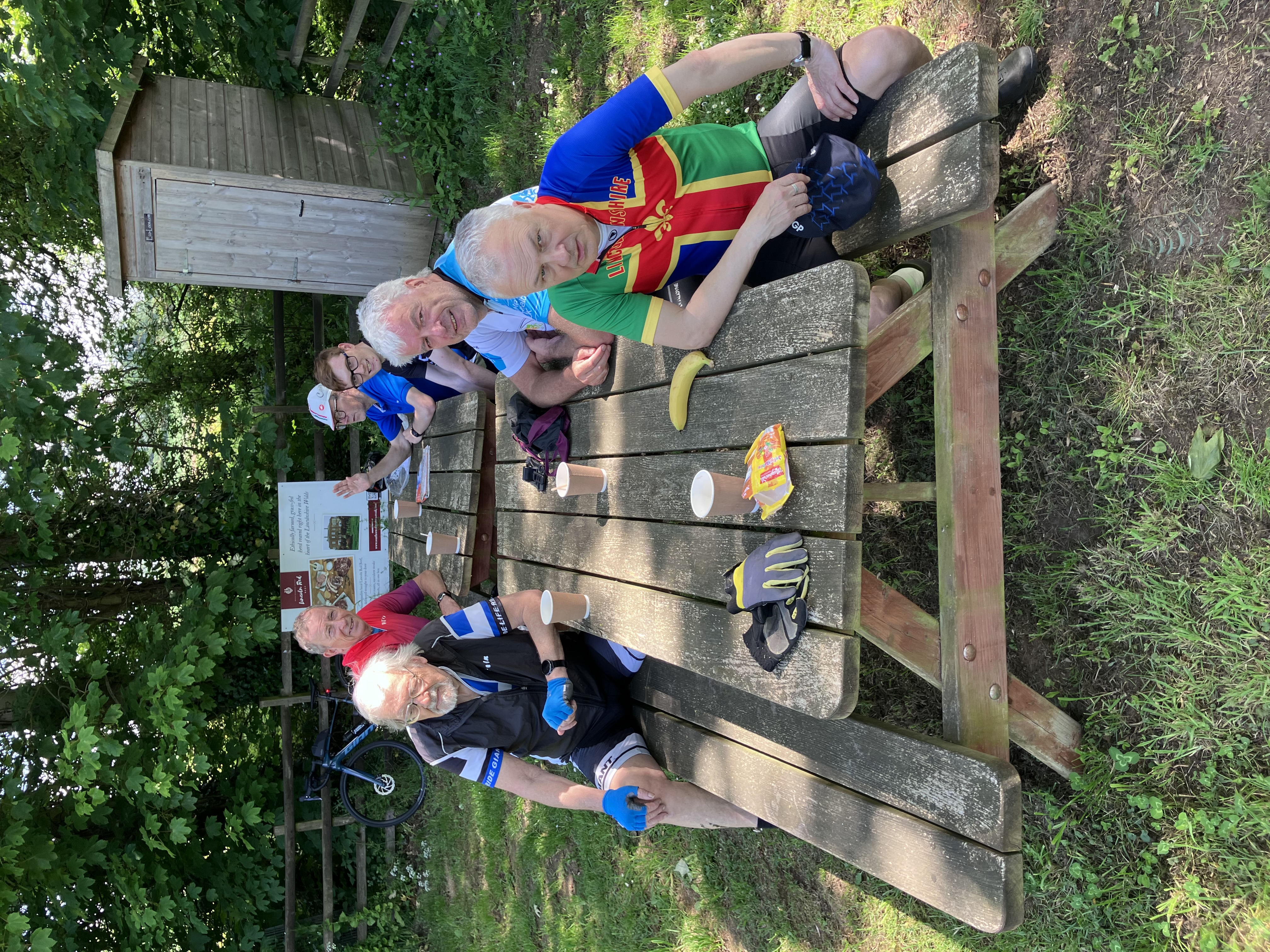
Alan Hockham was there to greet us, and having worked out how the thermos operated, cups of coffee were soon enjoyed along with provisions that various participants had kindly provided. Thanks to Ty for the bananas and Rob for the jelly babies. No sightings of Red Kite or Buzzard on this occasion but instead a few Orange Tip butterflies.
The South Ormsby Estate has a history of several thousand years. Once a roman settlement from the 1st to the 5th centuries, it was eventually purchased by Drayner Massingberd in the 17th Century. With the family line now ended, it’s being developed into a thriving business by the estate’s current custodians, Jon and Jan Thornes.
Time to get back on the bikes for the gradual ascent of the prehistoric drover’s ’Bluestone Heath Road’, most likely named after the grey/blue glacial erratic boulders that were deposited and left behind once the glaciers retreated. Once an important focal point for ancient communities, one fine example of such a boulder lies outside Louth Museum. This 'Bluestone' is made of volcanic lava from the Whin Sill in Northumberland.
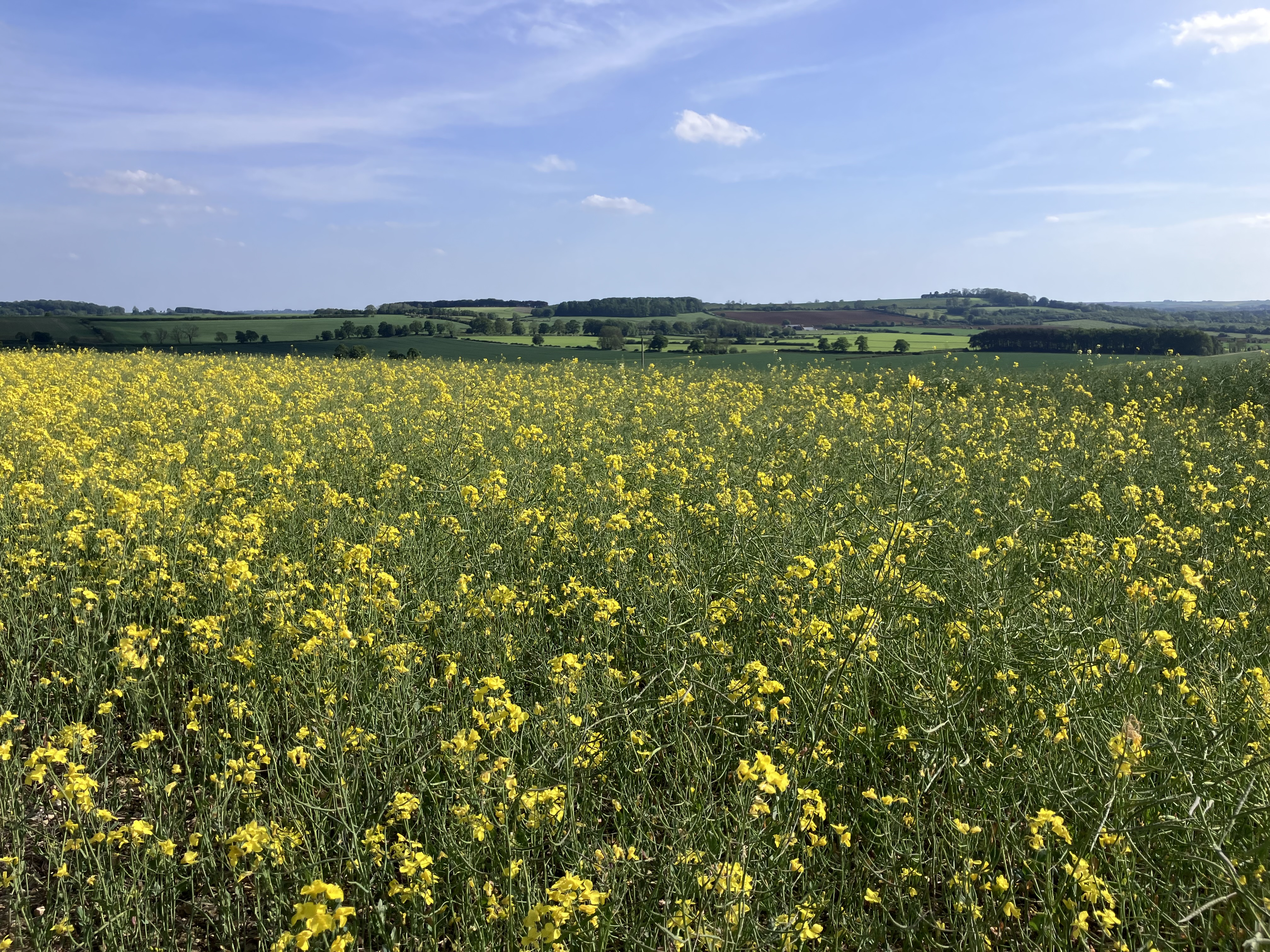
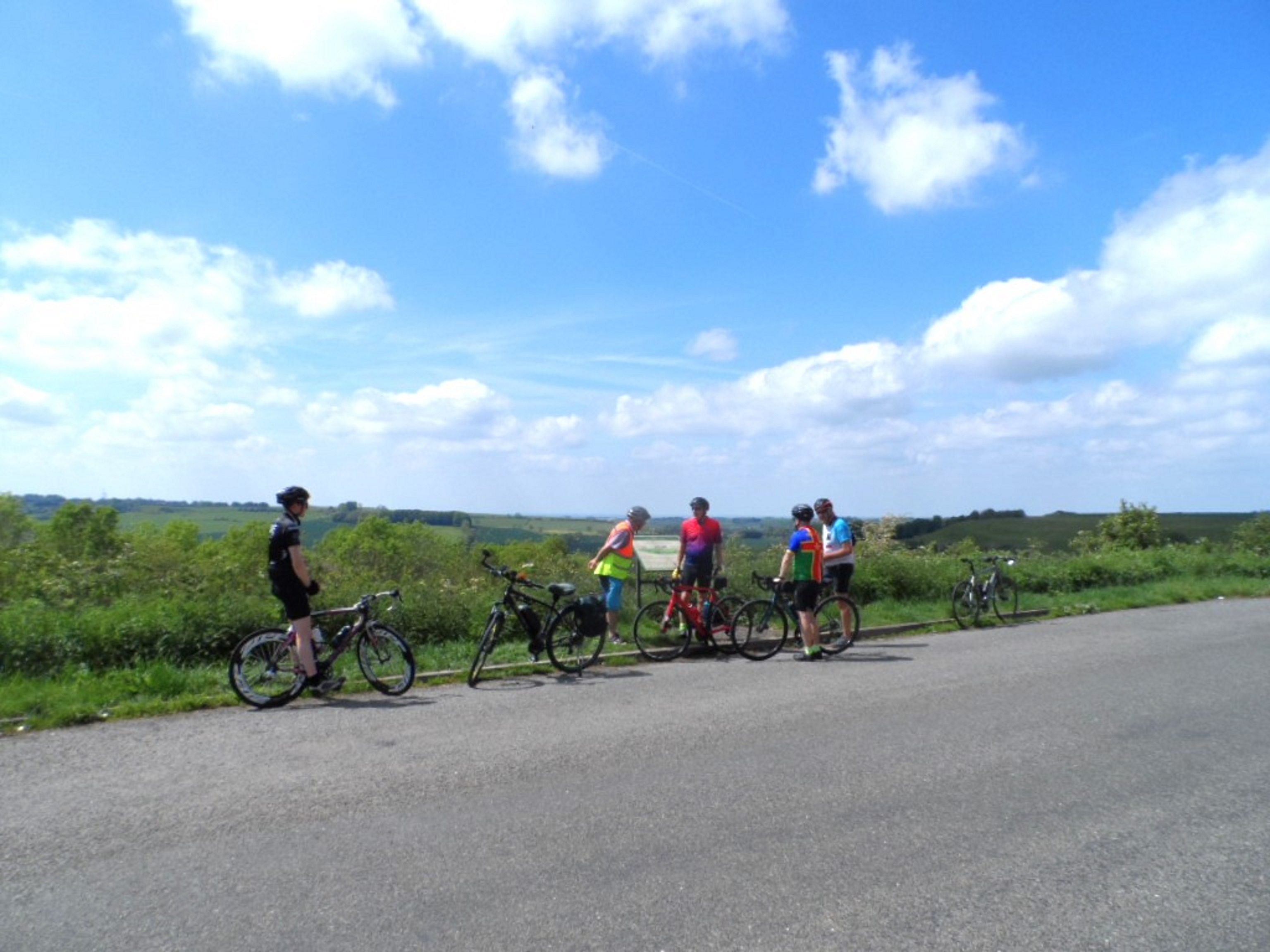
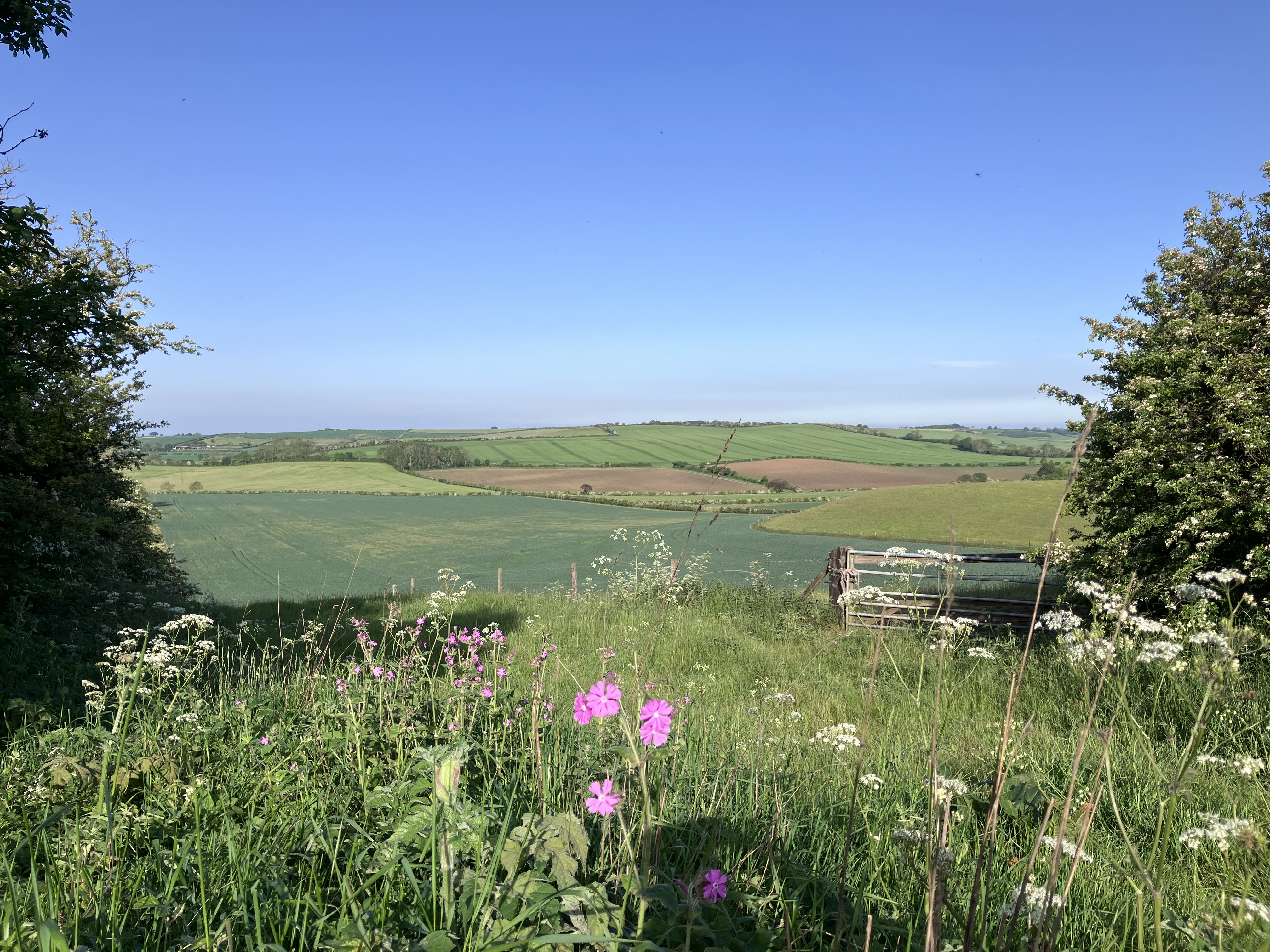
The Bluestone Heath Road would afford us stunning views of the Wolds, the gaudy vibrant yellow hue of the oil seed rape having been toned down so that now we were rewarded with a vista of rich and varied greens. We stopped for a well earned rest at Ferrals Plantation where there’s a great view the rolling hills, shaped by the underlying geology.
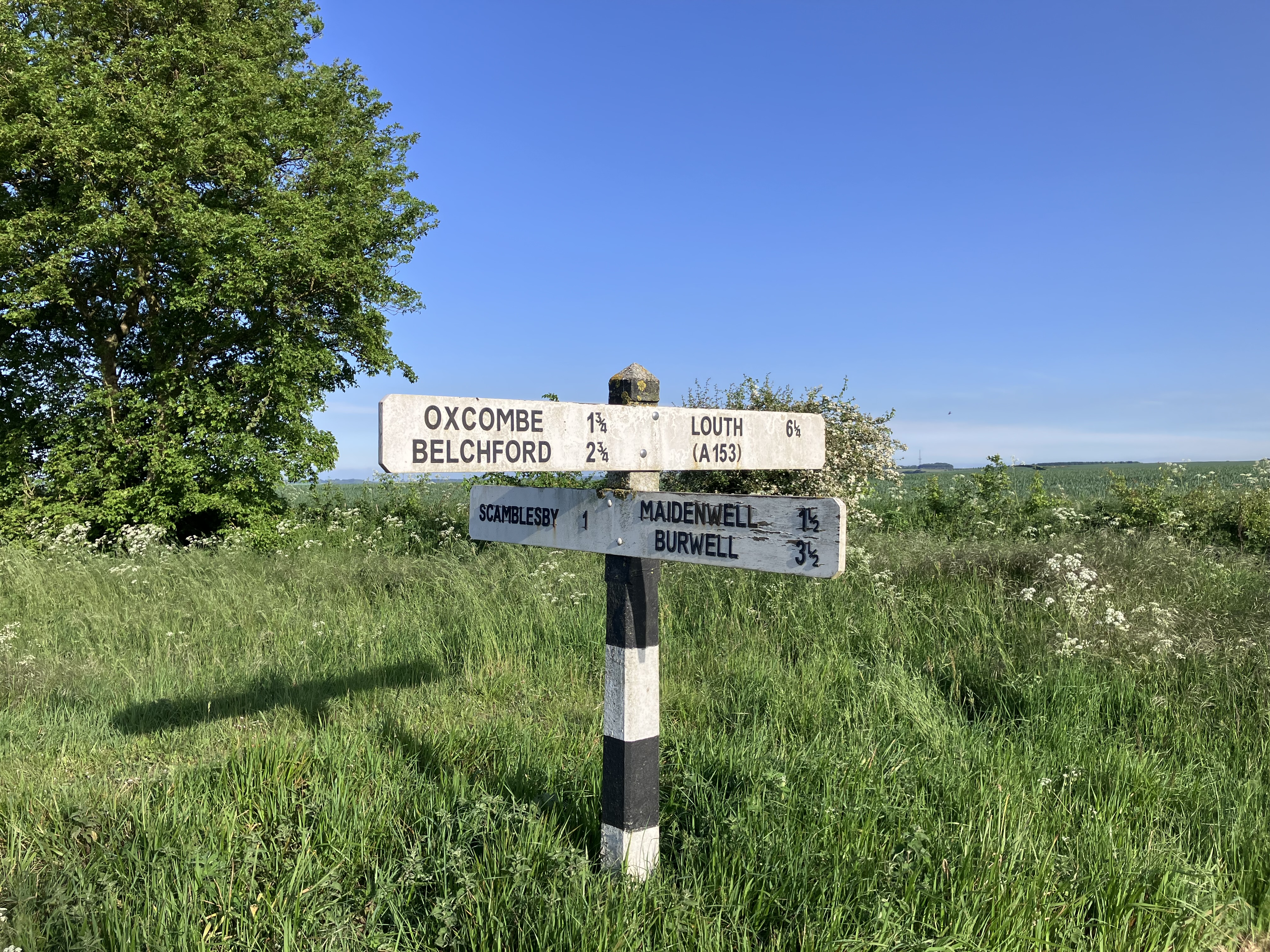
The pace now steadied as we climbed and passed turn offs to Belchford and Oxcombe (and its famed pottery) and it wasn’t long before we were passing by Cawkwell Racing Circuit.
Having continued for a few more miles, we turned off the Bluestone Heath Road at Welsdale Top, today’s highest point of 150 m altitude. A descent now all the way to Hallington. Downhill, finally!
Arrived back in Louth a little before 1.30 pm where we were greeted by the Lincolnshire Wolds Outdoor Festival photographer / videographer. We tried to look as fresh and fit as was possible after a hilly ride. We’ll no doubt see the results of the photo shoot in due course.
Many thanks to all for their company, especially to Mel, Rob and Andy for coming across from the Lincoln area. A splendid day out.
Tim’s ‘Relive Video’: https://www.relive.com/view/vNOPzk5Vg2q
Gallery