Louth to Ludford 96th Anniversary Ride

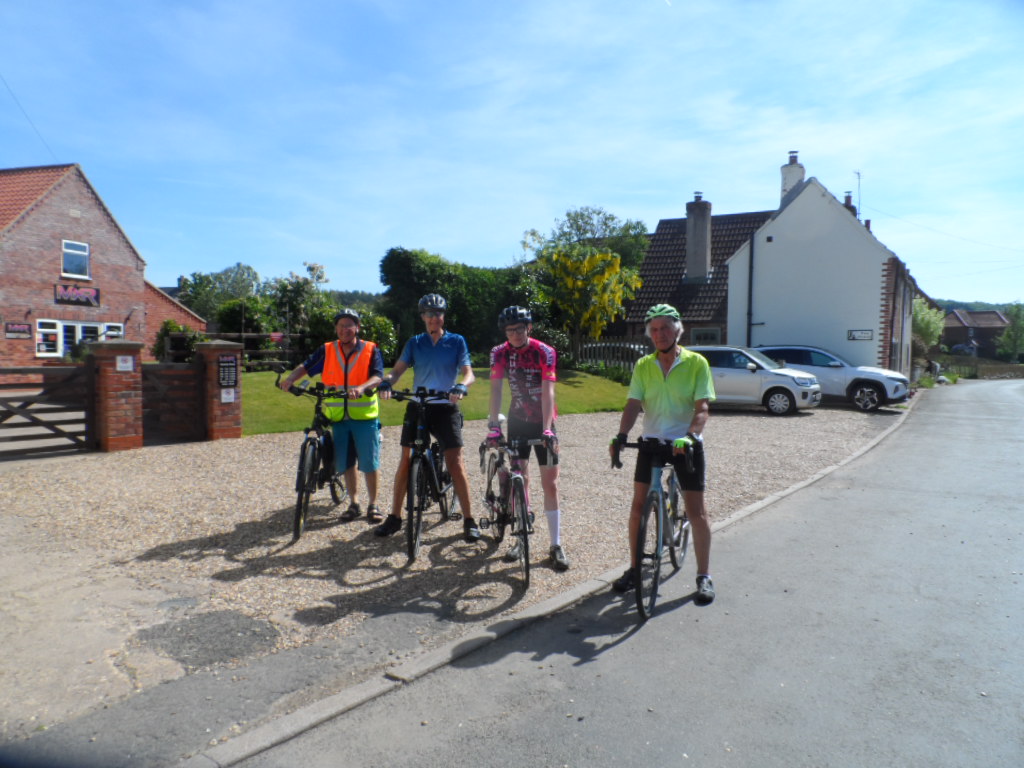
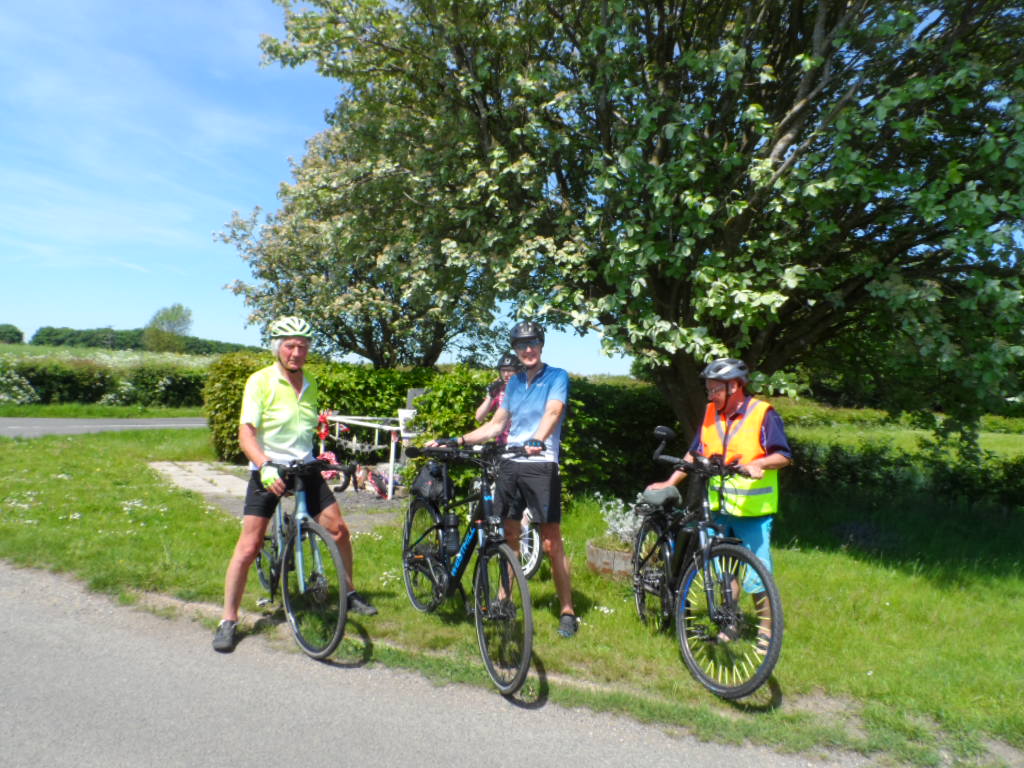
Riding out today: T Harness, Harvey Wright, Tim Newbury, and John Rickett.
The weather was glorious and, with no cloud cover, it was up near 30°C.
Celebrating the 96th anniversary of the CTC (now Cycling UK) Lincolnshire Division and the 50th year of the Viking Way, the club rode out to the Viking Way Café in Ludford to meet Cycling UK Lincoln.
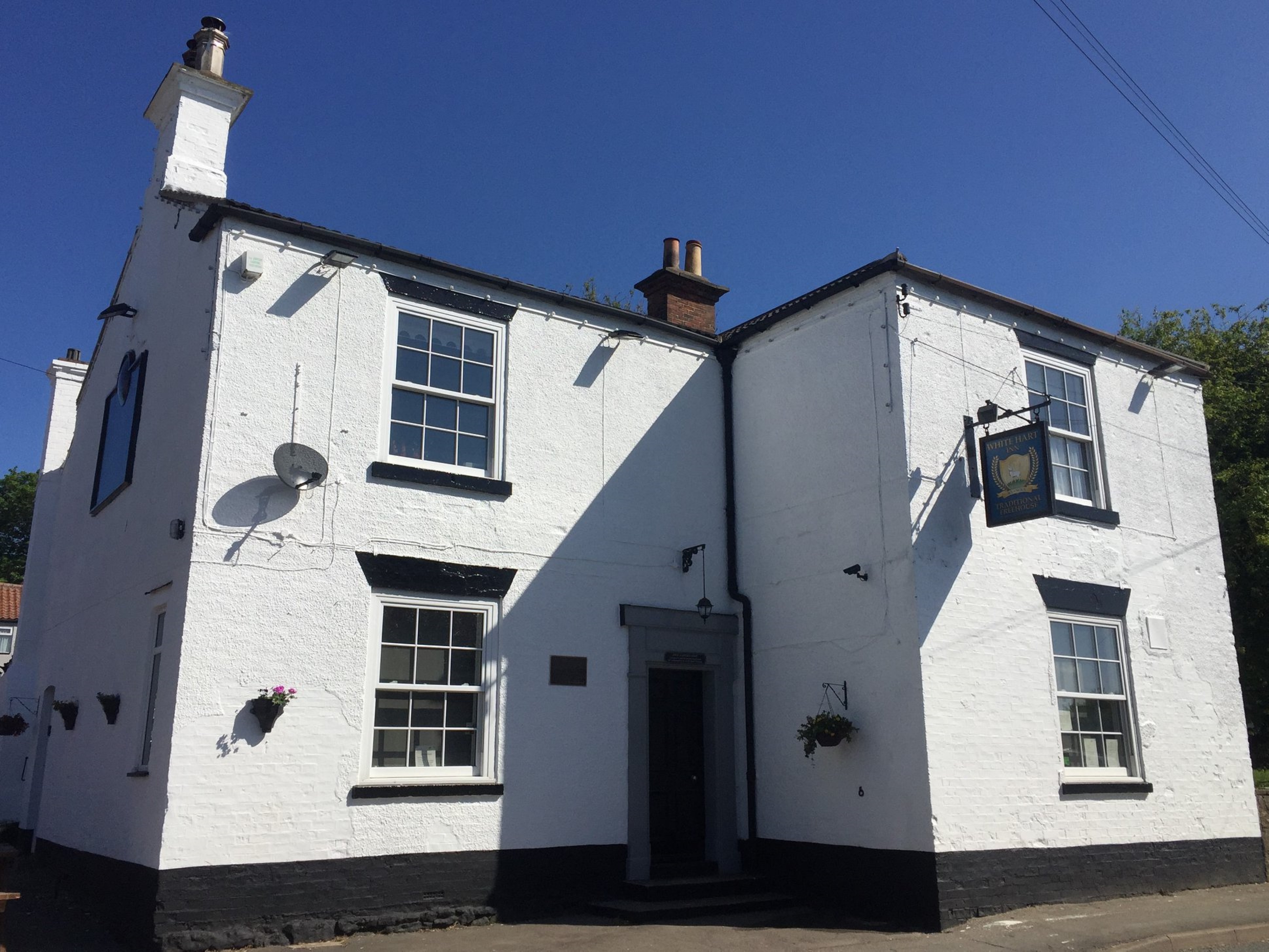
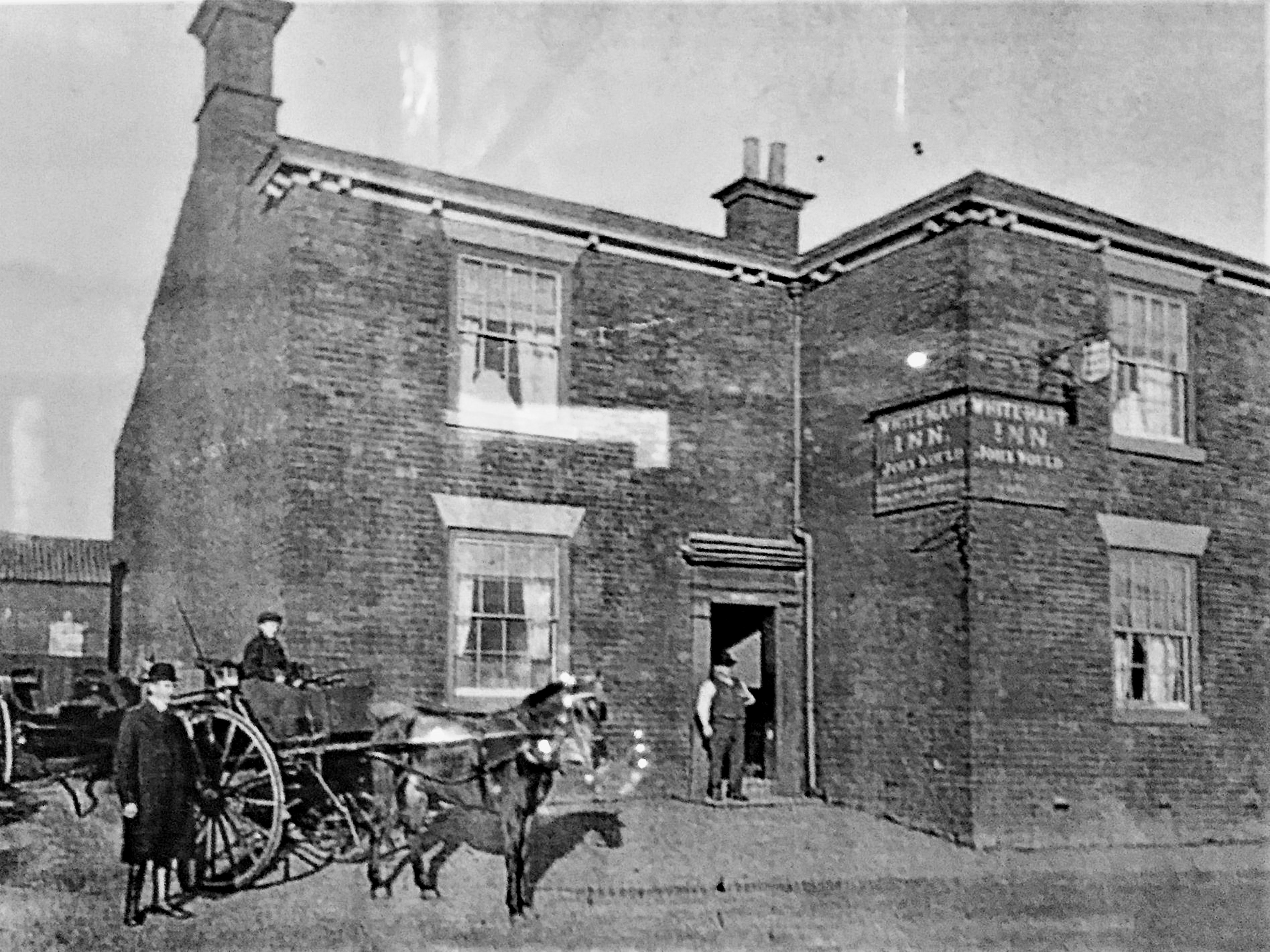
Ludford holds a special place in Lincolnshire cycling history, as the White Hart Inn hosted the inaugural meeting of the North Lincolnshire District Association of the CTC in May 1930. Nearly a century later, local riders are still gathering on the same Wolds roads.
Taking a reverse route to last year, it was out through Little Cawthorpe, up through the picturesque Haugham Readings (apparently named because two farmers overheard a sheep coughing “affam”), then down and up to Maidenwell. We then travelled across to Scamblesby and picked up the Viking Way via a very fast descent of Rowgate Hill.
Skirting past Goulceby, we met up with Horncastle rider John Parrish. We took a quick break at Jenny’s Shop in Donington on Bain before pushing on towards Biscathorpe. Ty missed the gated turn-off to the medieval village of Biscathorpe, but it was still a pleasant scenic road along the Gayton le Wold road over to Burgh on Bain. After a short section of main road, we turned right into the quiet roads through Girsby to Ludford.
There are still visible scars on the landscape from RAF Ludford Magna (101 Squadron):
RAF Ludford Magna History
- It was the highest bomber airfield in England, sitting around 428 feet above sea level on the Lincolnshire Wolds.
- The station was home to No. 101 Squadron RAF, one of the RAF’s most unusual and secretive Lancaster squadrons. Their Avro Lancaster bombers carried special electronic-jamming equipment called ABC (Airborne Cigar) to confuse German night fighters.
- Because of this secret role, 101 Squadron aircraft carried an eighth crew member — a German-speaking radio operator who intercepted and jammed Luftwaffe communications. Some were German or Austrian refugees who had fled the Nazis.
- The squadron suffered extremely heavy losses. Around 113 Lancasters failed to return, one of the highest loss rates for any Lancaster squadron.
- RAF Ludford Magna was one of only 15 airfields in Britain fitted with the experimental FIDO fog dispersal system. Huge pipes beside the runway pumped burning fuel to create walls of fire that cleared fog so bombers could land safely.
- The muddy conditions earned the base the nickname “Mudford Magna.”
- During the Cuban Missile Crisis, the former airfield was reused as a site for nuclear-armed Thor missiles. Locals reportedly remembered the missiles standing upright and ready to launch during the crisis.
We made good time and just pipped Cycling UK Lincoln by a few minutes. The two Andys' had travelled across from Lincoln. We all enjoyed coffee, cake, and bacon sandwiches before bidding farewell to the Lincoln group.
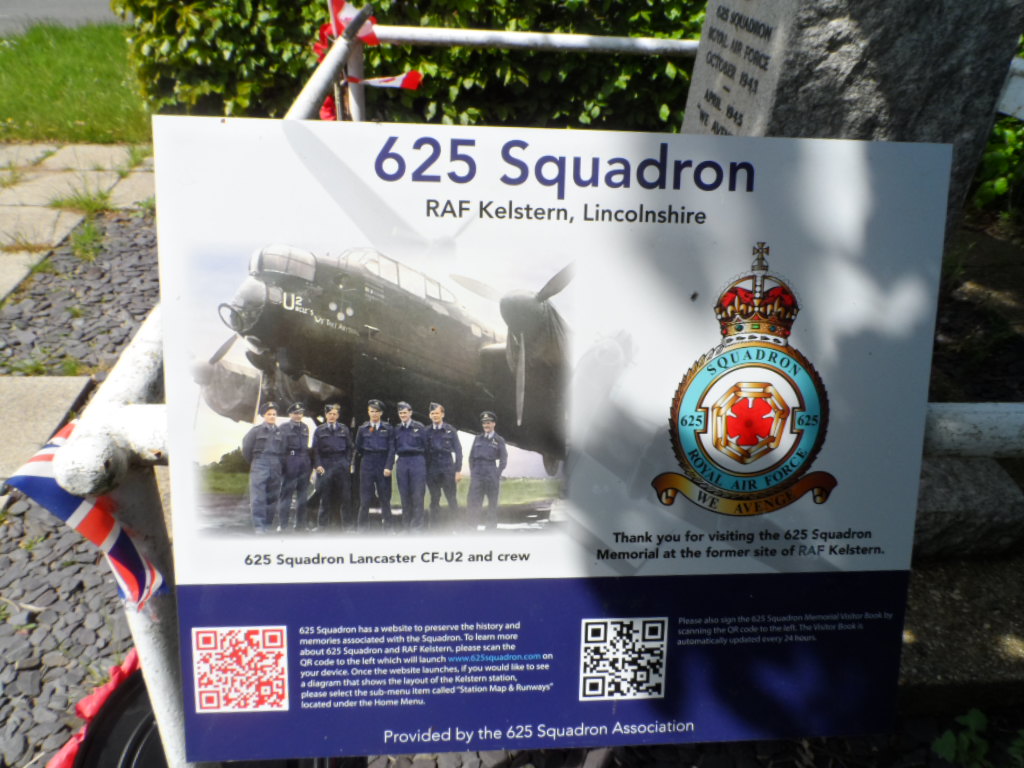
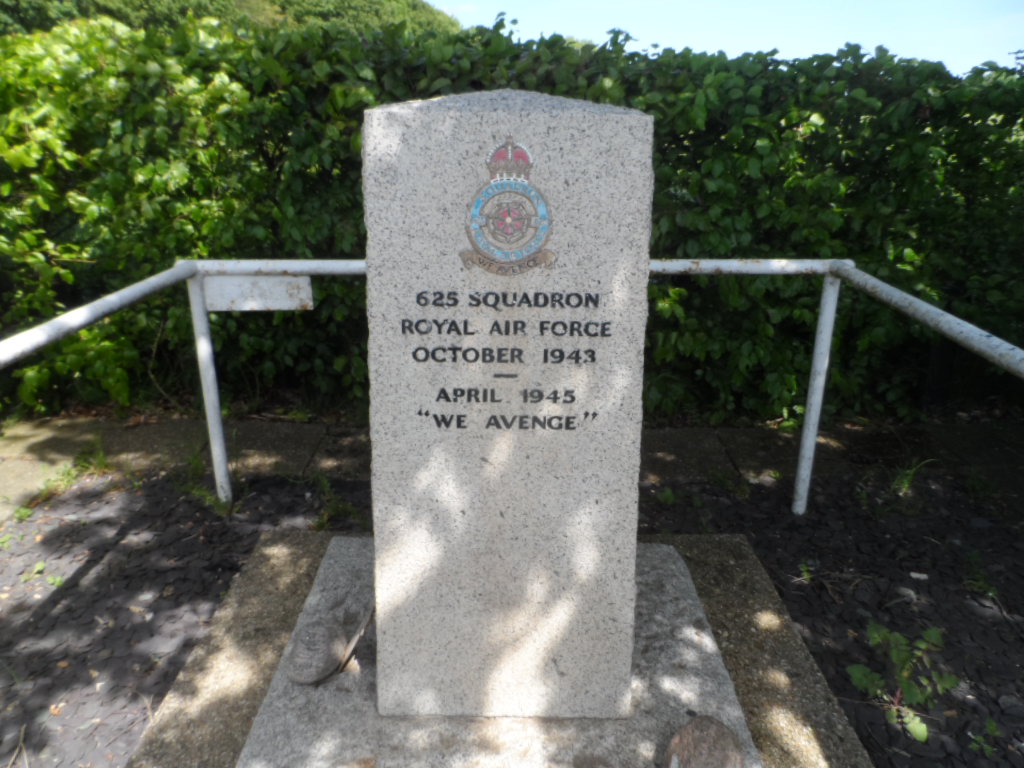
The Louth group travelled through the switchbacks and up to the RAF memorial at Kelstern. The stop at the RAF Kelstern memorial offered a moment to reflect on the history of 625 Squadron and the young Lancaster crews who flew from these quiet Wolds roads into some of the most dangerous missions of the war.
The final leg was over to North Elkington, where we said goodbye to John Rickett then Ty, Tim, John P. and Harvey travelled through Little Grimsby back into Louth via Brackenborough Road.
We all enjoyed a coffee at 601 in Louth Market Place, where we said goodbye to John Parrish, who was heading home to Horncastle via South Ormsby and then picking up the Bluestone Heath road to Fulletby.
Gallery