Armistice Day Ride 11th November 2026

Cycling UK Louth’s Wednesday Wander to Ludford, Armistice Day 11th November 2026...
Much improved weather from last Sunday, skies were already brightening and it would eventually turn into quite a sunny day. Around seasonal average temperatures too with a high of 10-11 Degrees Celsius.
Meeting up at Louth’s Leisure Centre were Rob Cook, Tim Newbery and John Rickett. Today, a ride to Ludford, a suggestion by John with the chance of visiting the 101 Sqn. Memorial at the former RAF Ludford Magna.
Outbound, on passing Poke’s Hole, it would be an ascent of Hallington Road that would take us to the Bluestone Heath Road, an altitude of around 490 ft AMSL … although Chain Holme Tower / Radar Transmitter of RAF Stenigot, built in 1939 would be our highest point of the ride at about 500 ft AMSL.
Downhill now all the way to Donnington on Bain where a stop for a coffee at Jenny Ward’s Village shop was deemed appropriate as it was approaching 11 am. A delivery lorry even switched off his engine for the two-minute silence.
From here an undulating route through South Willingham and Hainton took us to Sixhills. We were pretty sure that we’d already climbed more than six hills but it would appear that the name Sixhills was historically recorded as ‘Sixla’ and ‘Sisse’ in early medieval records, close to the Old Norse/Scandinavian terms ‘sysla’ and ‘syssel’ meaning district or bailwick. Over the centuries such unfamiliar place names shifted into the more transparent English words "Six" and "Hills".
Arriving at the Viking Way Garden Café Ludford about noon, we settled in for more hot drinks with a home-made scone for John and a bacon butty for Tim. Sitting by the log burner we were reluctant to leave and chatted with a group of local ladies who would go on to explain that there are two villages side by side; Ludford Magna and Ludford Parva (Great and Small).
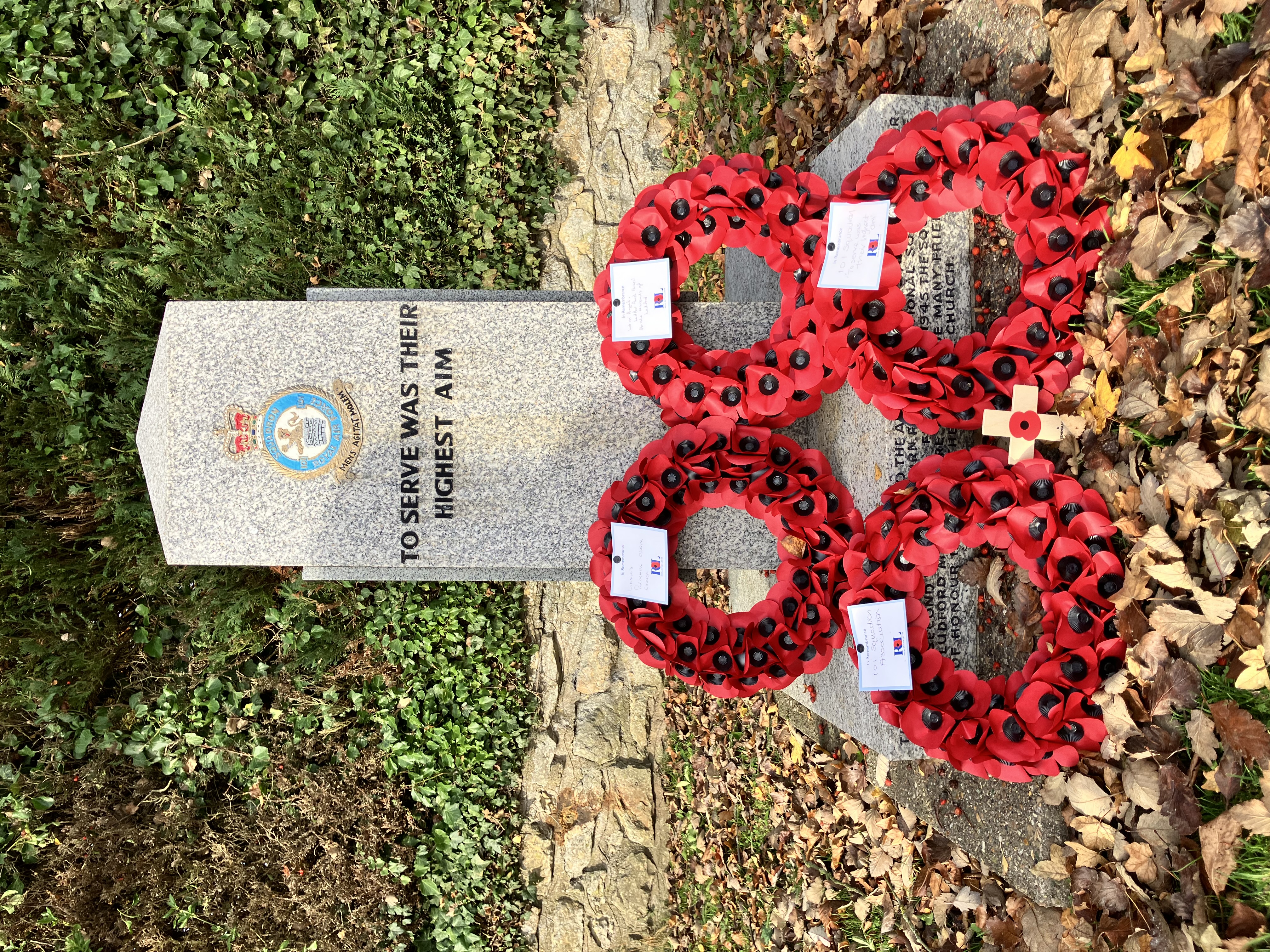
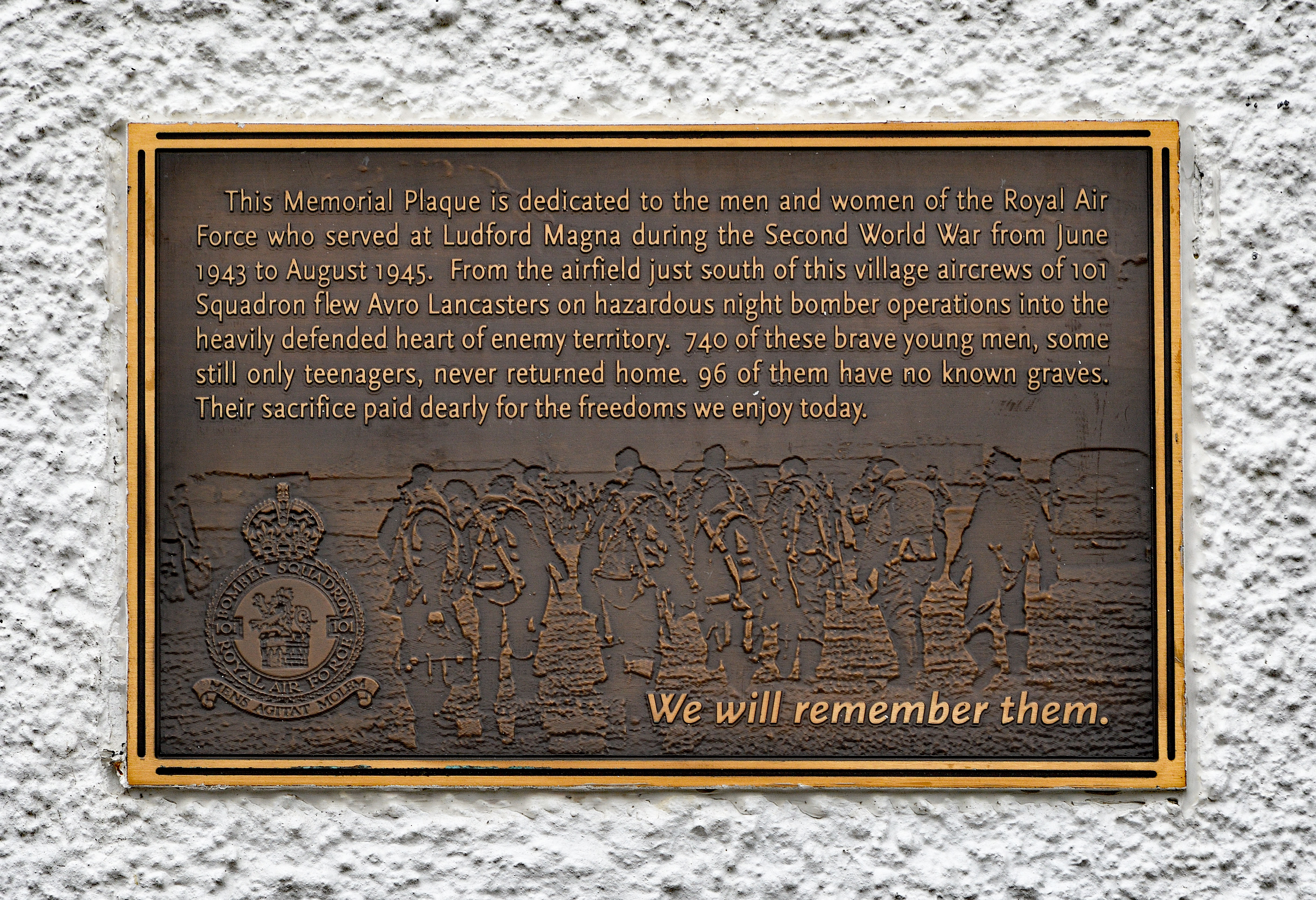
Eventually we made a move to visit the village memorial, in tribute to 101 Sqn (Lancasters) which was based at RAF Ludford Magna during WWII between June 1943 and October 1945. The Squadron flew on more raids than any other RAF Bomber Command unit, paying a heavy toll with 740 aircrew killed in action whilst based at Ludford Magna.
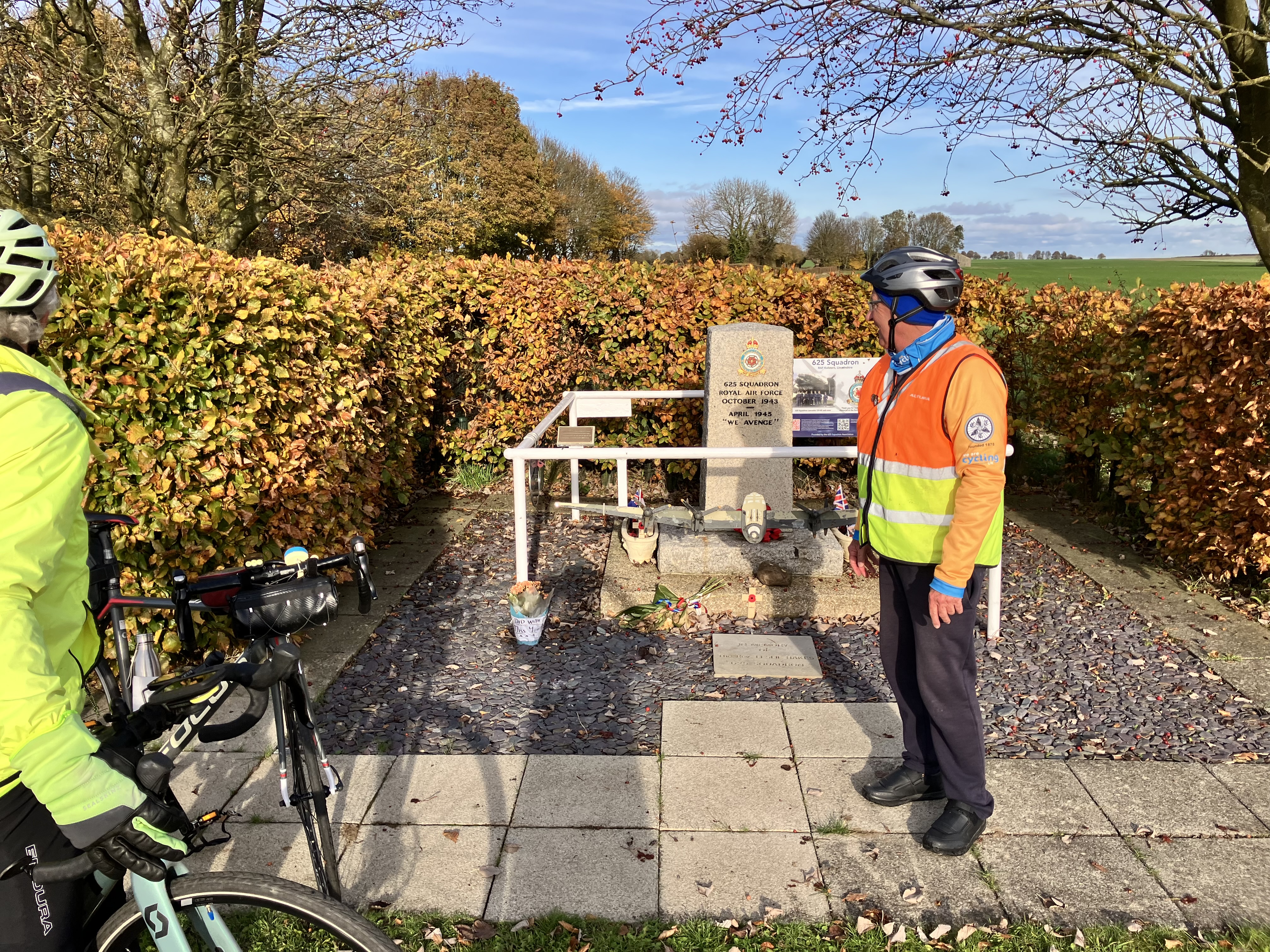
Continuing, one last stop at the Stone of Remembrance at RAF Kelstern which we visited on Sunday. Today we were joined by a couple on a motorbike who although had no military connection, were visiting a number of memorials on this Armistice Day.
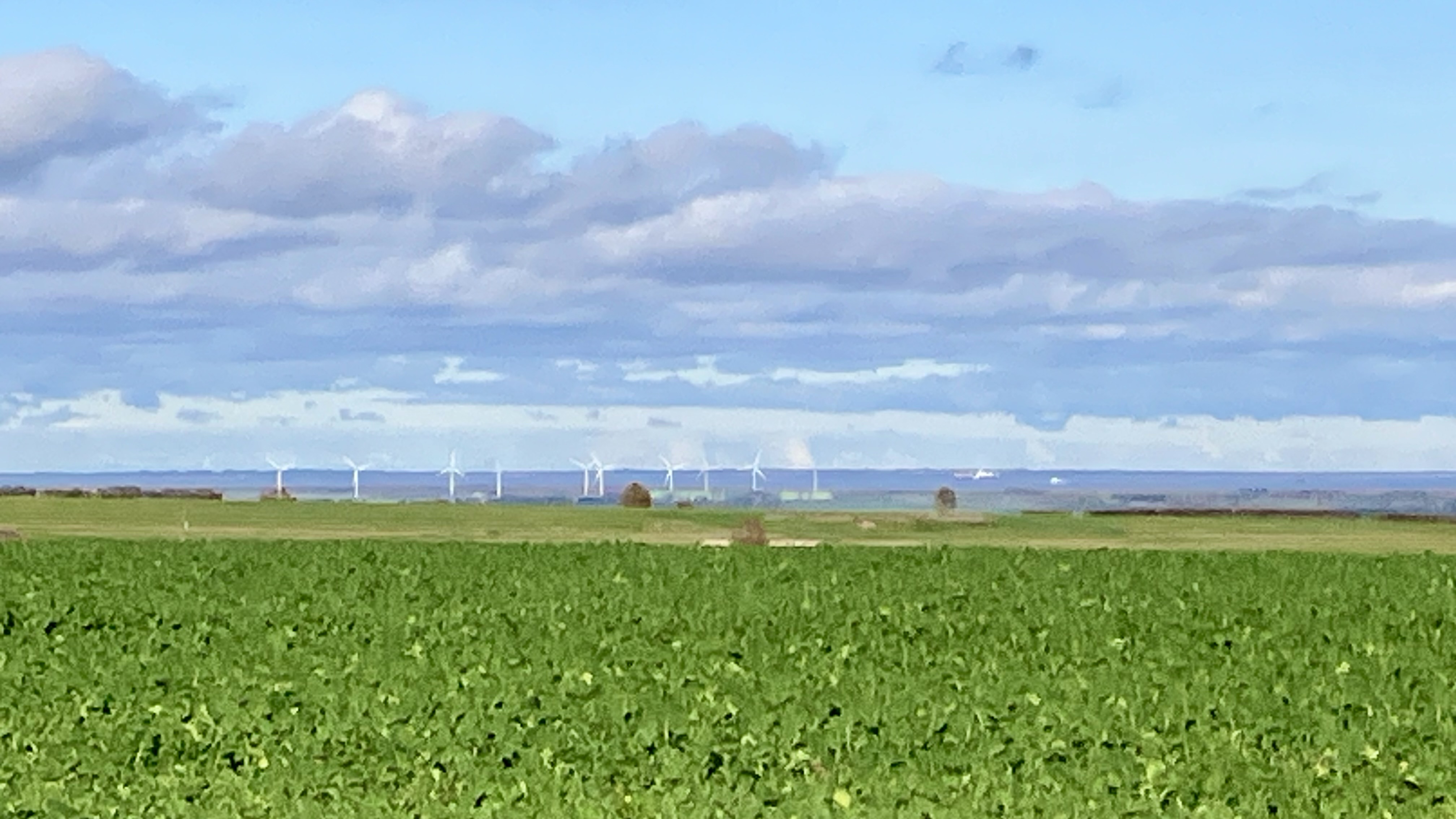
Climbs now largely complete, a decision was made to return to Louth via North Elkington. At least today we had the benefit of fine views all the way over the middle marsh and out marsh to the North Sea and Humber Estuary. Indeed, Spurn Point could just about be distinguished.
John would turn for home whilst Tim and Rob headed to the Leisure Centre arriving about 2 pm having covered 34 miles. Many thanks to all for the company.
Tim’s ‘Relive’ video:
https://www.relive.com/view/vJOKDDDo756
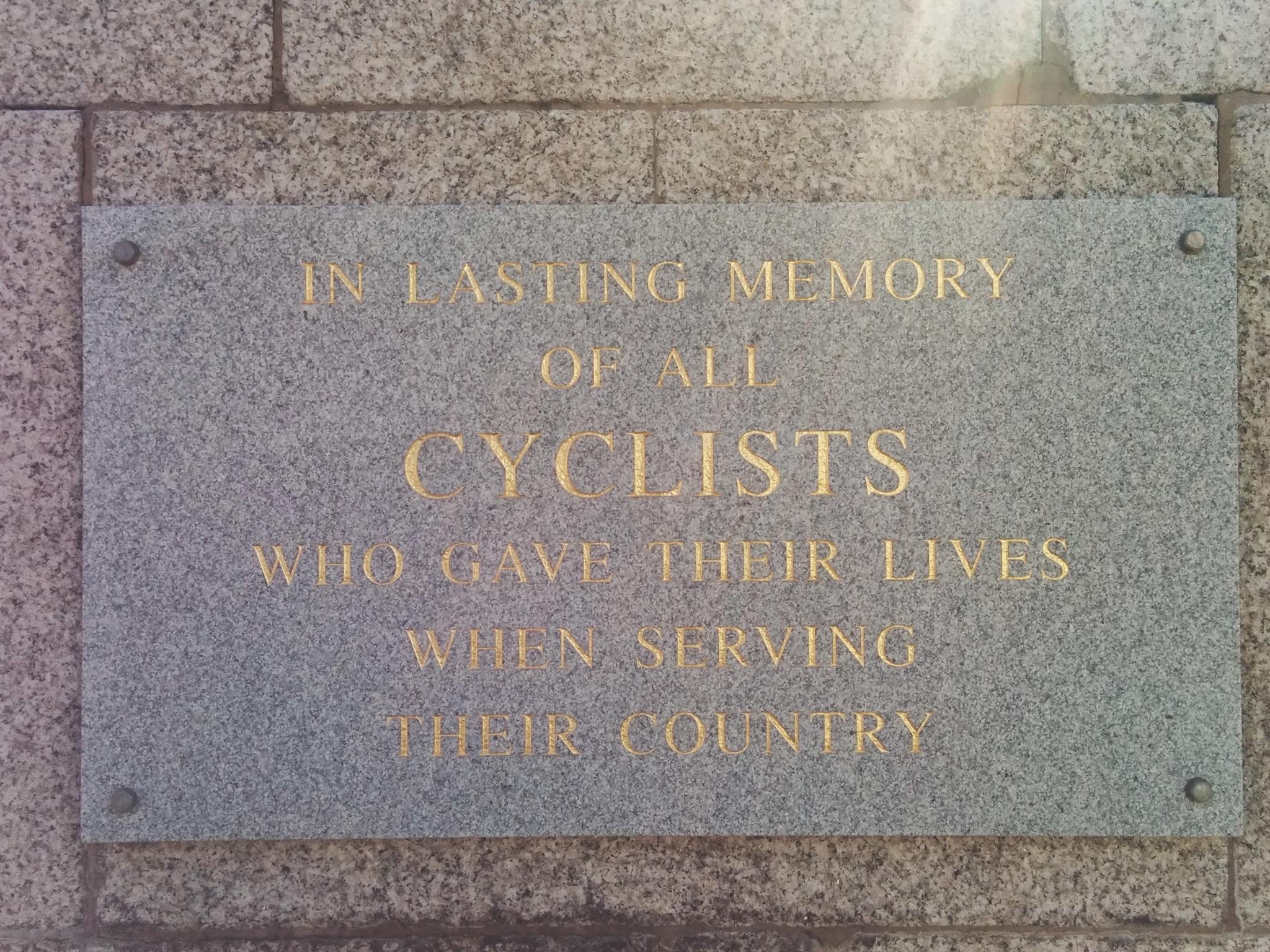
CYCLISTS’ TOURING CLUB and the Great War:
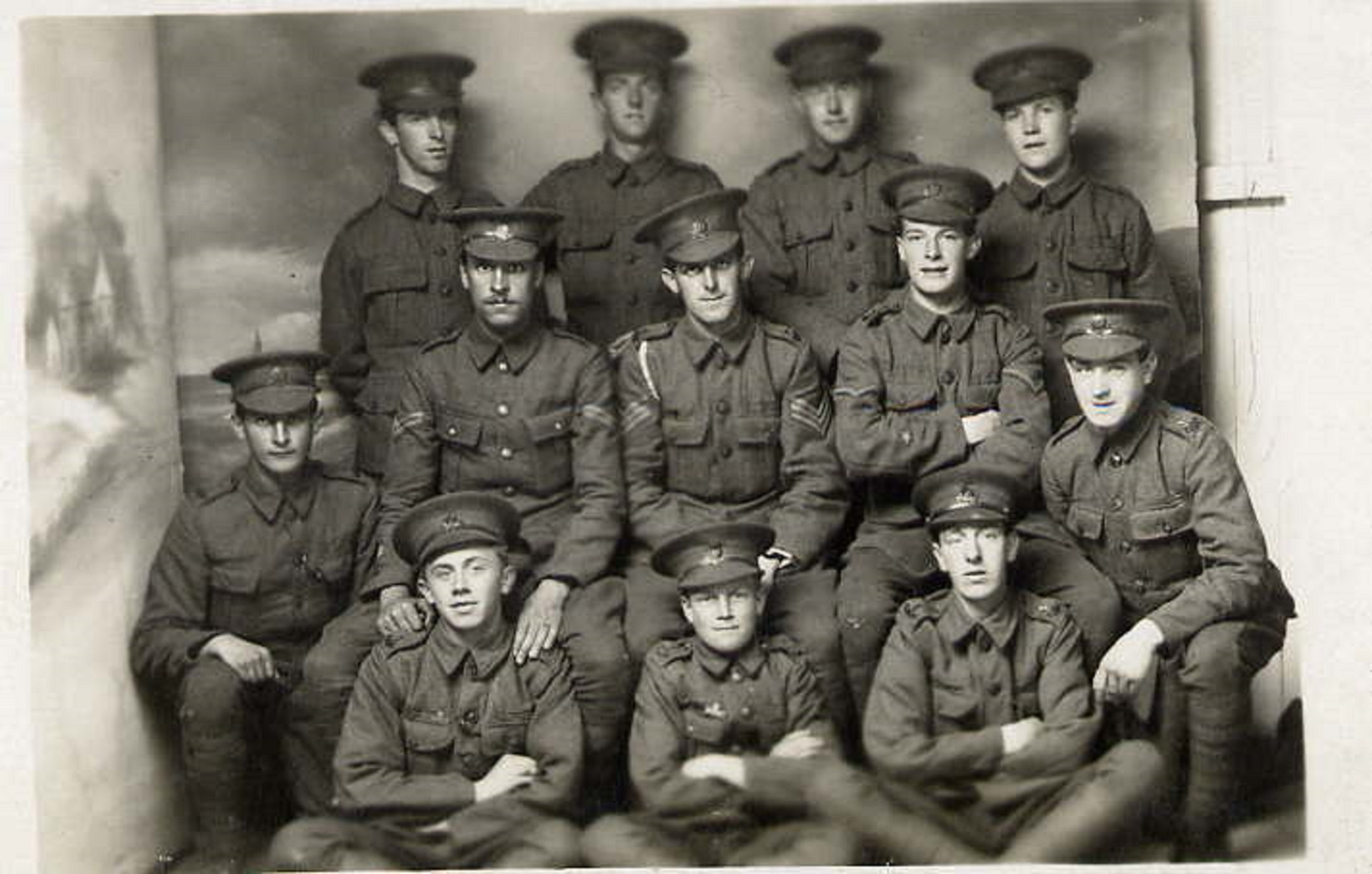
Many Cyclists’ Touring Club members were enrolled in either the Territorial Force (TF) cyclist battalions, primarily for home defence, or the Army Cyclist Corps (ACC) as part of the regular army.
Cyclists’ Touring Club member Lance Corporal A.S. (his full name is unrecorded) serving in one of the cyclist battalions wrote an article in the CTC Gazette, encouraging others to join. “Cycling for pleasure and cycling with the Army cyclist’s full equipment are two very different matters. Indeed, there is a wide gulf between the two. If you don’t believe it get into khaki at once and join a cyclist battalion”.
The role of the Territorial Force cyclist battalions at home was deemed so important that the units were rarely deployed overseas. The first Huntingdonshire Cyclist Battalion was formed in August 1914 and was sent to Grimsby to patrol the coast with a compliment of 550 officers and men. A second battalion was soon deployed to Lincolnshire and by 1916 the unit was based at Sutton-le-Marsh (Sutton on Sea). By March 1917 it had moved to nearby Alford and by July of that year, onto Chapel St Leonards. The battalion ended up at Skegness by May 1918.
For those of the Army Cyclist Corps deployed on the front line, casualty rates were high in their role of reconnaissance and communications. Conditions were often atrocious, battling a sea of mud and frequent punctures from shell fragments. The Cyclists’ Touring Club Roll of Honour names many who didn’t return home.
Flanders saw one of the very first overseas deployment of cyclist battalions and there are a number of Commonwealth War Graves Commission headstones at the Essex Farm Cemetery in Ypres Salient, including Private William Ellis, Army Cyclist Corps.
Canadian Brigade Surgeon Major John McRae’s affecting poem “In Flanders Fields” was written after having to officiate the burial at the Essex Farm Cemetery of his close friend and fellow Canadian Lieutenant Alexis Helmer who was killed instantly by a German shell, shortly after the start of the second battle of Ypres on Sunday 2nd May 1915.
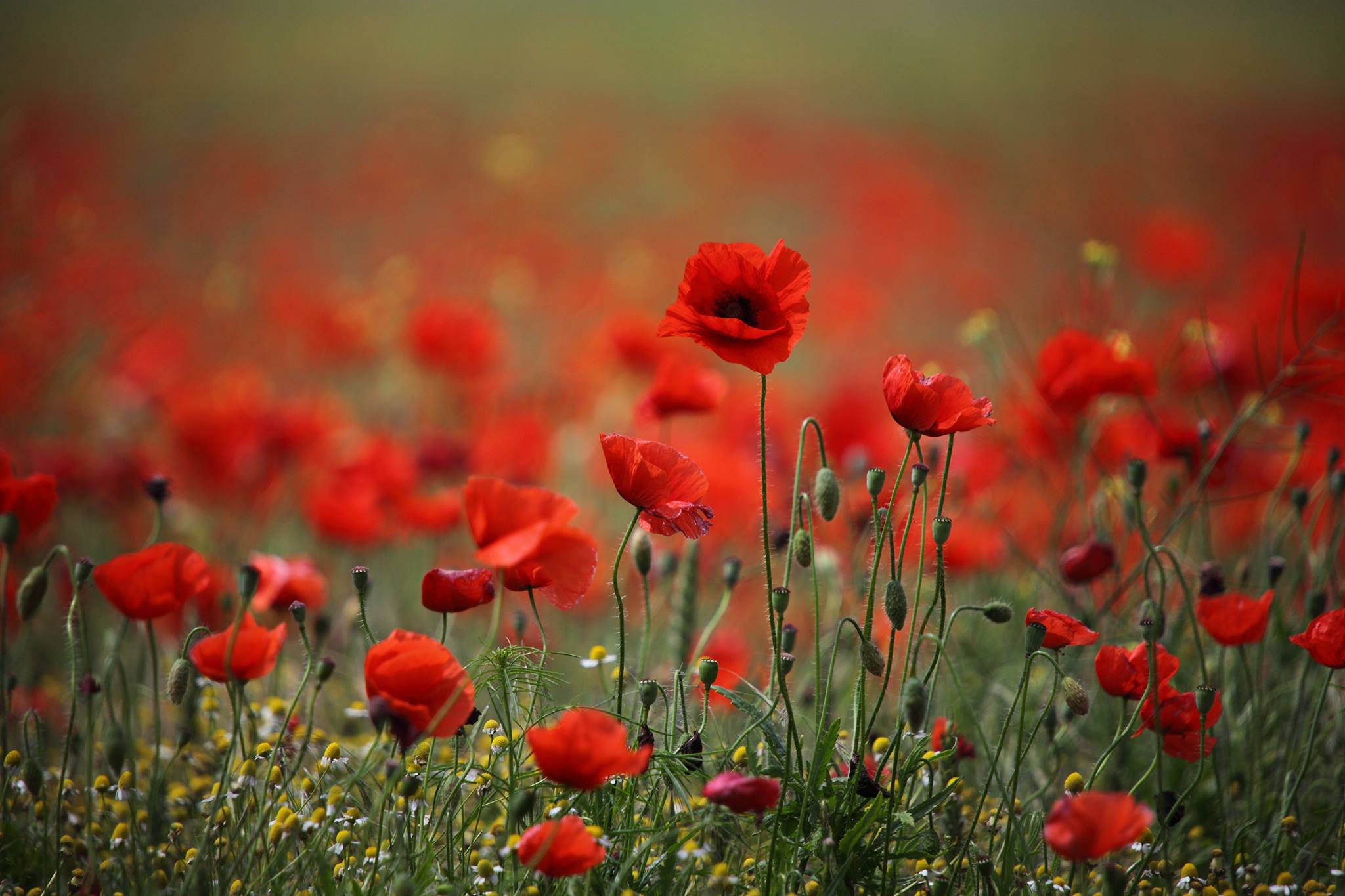
In Flanders fields the poppies blow
Between the crosses, row on row,
That mark our place; and in the sky
The larks, still bravely singing, fly
Scarce heard amid the guns below.
We are the Dead. Short days ago
We lived, felt dawn, saw sunset glow,
Loved and were loved, and now we lie
In Flanders fields.
Take up our quarrel with the foe:
To you from failing hands we throw
The torch; be yours to hold it high.
If ye break faith with us who die
We shall not sleep, though poppies grow
In Flanders fields.
Gallery